



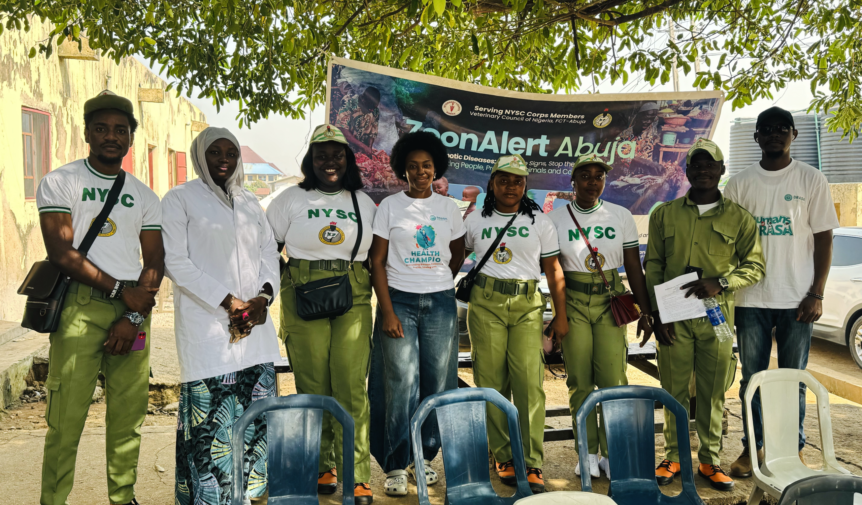
At Karu Abattoir in Abuja, an interactive health education session brought together young Nigerians and local butchers to promote safer hygiene practices, strengthen awareness of zoonotic diseases, and encourage actions that protect both people, animals and the environment.
At an abattoir, the connection between human health and animal health is visible every day. Butchers work closely with animals and animal products, often in environments where poor hygiene and unsafe handling practices can expose them to diseases that pass between animals and humans such as anthrax, brucellosis and tuberculosis.
Yet, knowing how to recognize potential health risks, maintain proper hygiene, and respond to warning signs can make a significant difference.
That is why a group of Nigerian Youth Service Corps (NYSC) members partnered with the Dr. Ameyo Stella Adadevoh (DRASA) Health Trust to engage butchers at Karu Abattoir in Abuja. The outreach focused on practical ways to improve hygiene, recognize signs and symptoms of zoonotic diseases, and prevent the spread of infections from animals to humans.
The session created an opportunity for butchers to learn, ask questions, share their experiences, and discuss how safer practices could become part of their daily work.
Understanding the Risks of Zoonotic Diseases
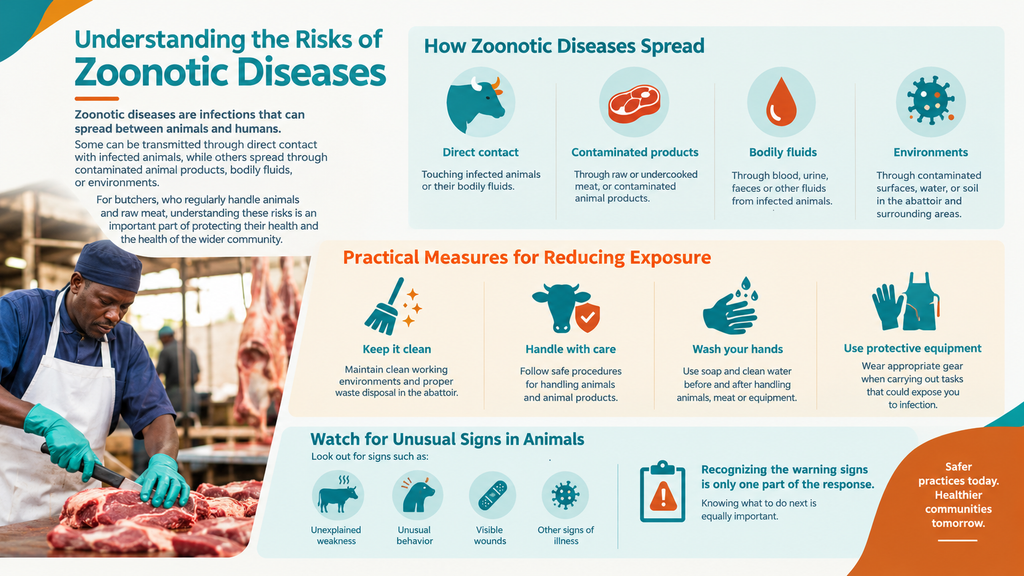
Zoonotic diseases are infections that can spread between animals and humans. Some can be transmitted through direct contact with infected animals, while others spread through contaminated animal products, bodily fluids, or environments.
For butchers, who regularly handle animals and raw meat, understanding these risks is an important part of protecting their health and the wider community.
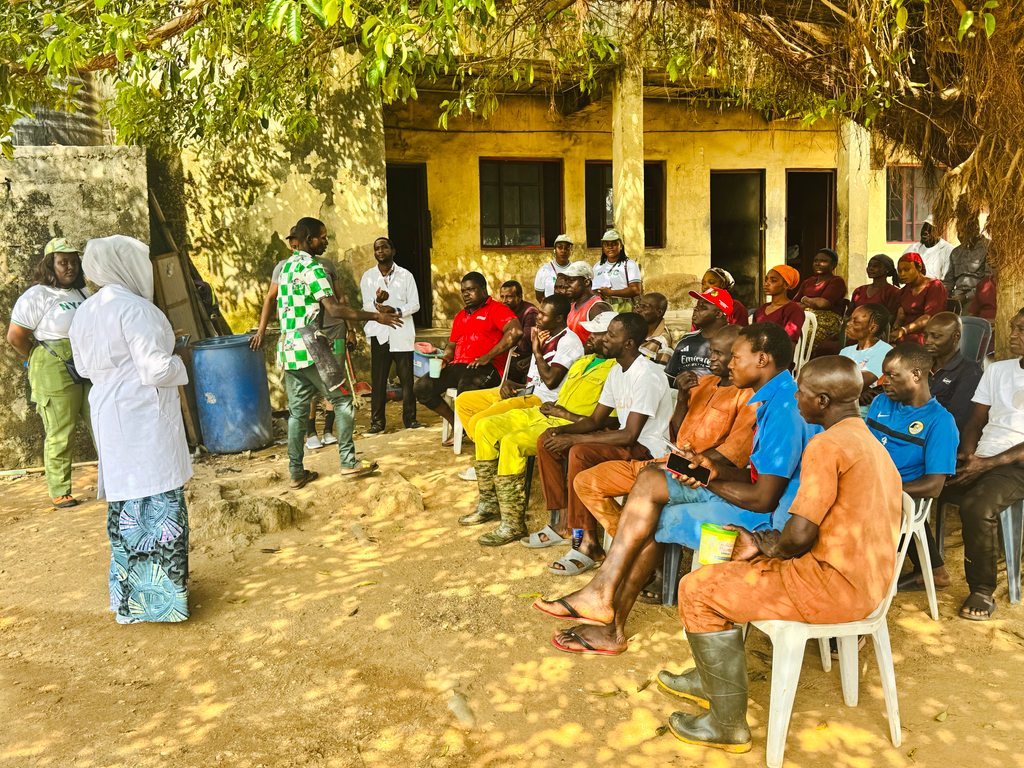
The butchers received information on zoonotic diseases, the importance of hygiene in abattoir operations, and practical measures for reducing exposure to infections through Hausa-speaking veterinary doctors to ensure clear communication and understanding.
The discussions emphasized the need to maintain clean equipment and work surfaces, handling of animals and animal products safely, wash hands properly, and use appropriate protective equipment when carrying out tasks that could expose them to infection.
Participants also learned about the importance of observing animals for unusual signs of illness, including unexplained weakness, unusual behavior, visible wounds, or other signs that may indicate a health problem.
From Recognizing Warning Signs to Taking Action
Identifying a potentially sick animal can help prevent further exposure, but appropriate action must follow.
Thus, the session highlighted the importance of avoiding unnecessary contact with animals suspected of being ill, reporting concerns to veterinary personnel, and following appropriate animal health guidance. Butchers were also encouraged to avoid slaughtering or handling animals suspected of having an infectious disease until the appropriate authorities have assessed the situation.
These measures can help reduce the risk of exposure to potentially harmful infections while supporting early reporting and appropriate responses to animal health concerns.
By connecting disease awareness with practical steps, the engagement helped butchers understand how everyday decisions in an abattoir can contribute to preventing infections and protecting public health.
Learning Through Participation
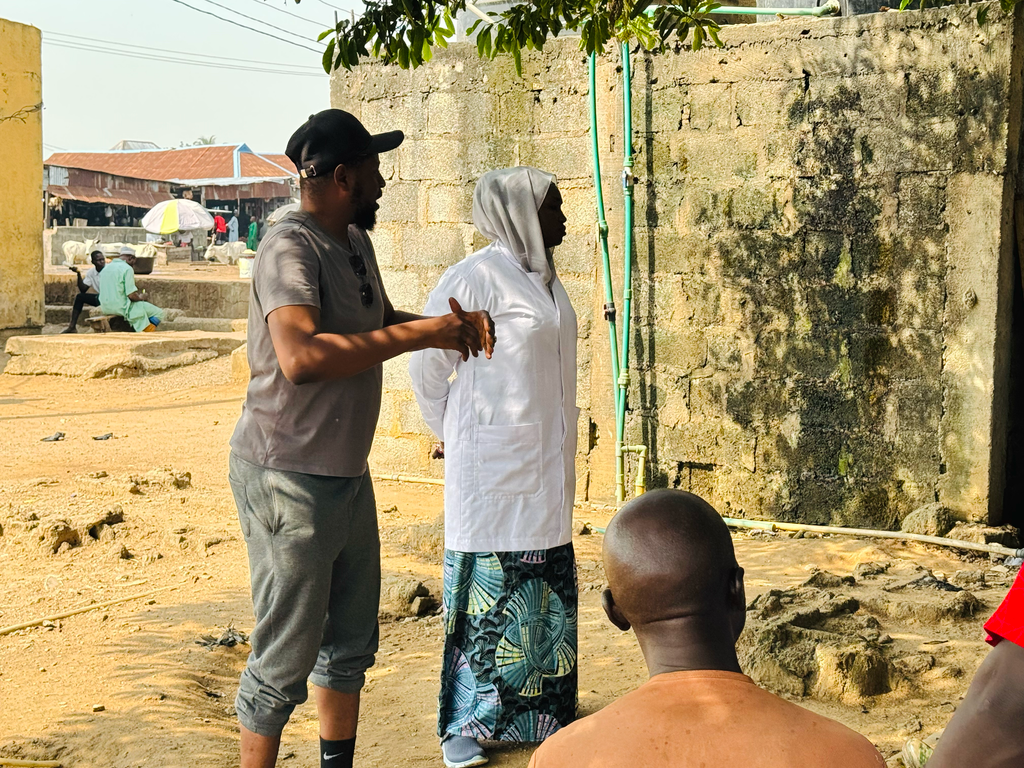
We believe in creating spaces where people can engage directly with health information, clarify what they do not understand, and consider how new knowledge applies to their everyday activities. So rather than relying solely on one-way presentations, we encouraged butchers to participate actively, ask questions, and contribute their perspectives. This created room for conversations about the realities of working in an abattoir and the practical challenges of maintaining safe hygiene practices in low-resource settings.
Why Abattoir Hygiene Matters for Community Health
Abattoirs are important settings for these efforts because the handling of animals and animal products can create opportunities for exposure to infections when appropriate precautions are not followed.
These efforts also reflect the importance of a One Health approach, which recognizes that the health of people, animals, and the environment is interconnected.
When butchers have access to practical health information and understand how to act on it, they are better positioned to make informed decisions about their safety, the animals they handle, and the products that eventually reach consumers.
Working Together to Prevent Infections
The engagement at Karu Abattoir demonstrates how collaboration between young people, community members, and public health organizations can support efforts to prevent infectious diseases.
The value of community participation in disease prevention cannot be denied. People who understand the risks in their working environments and have the information to respond appropriately are important partners in protecting public health.
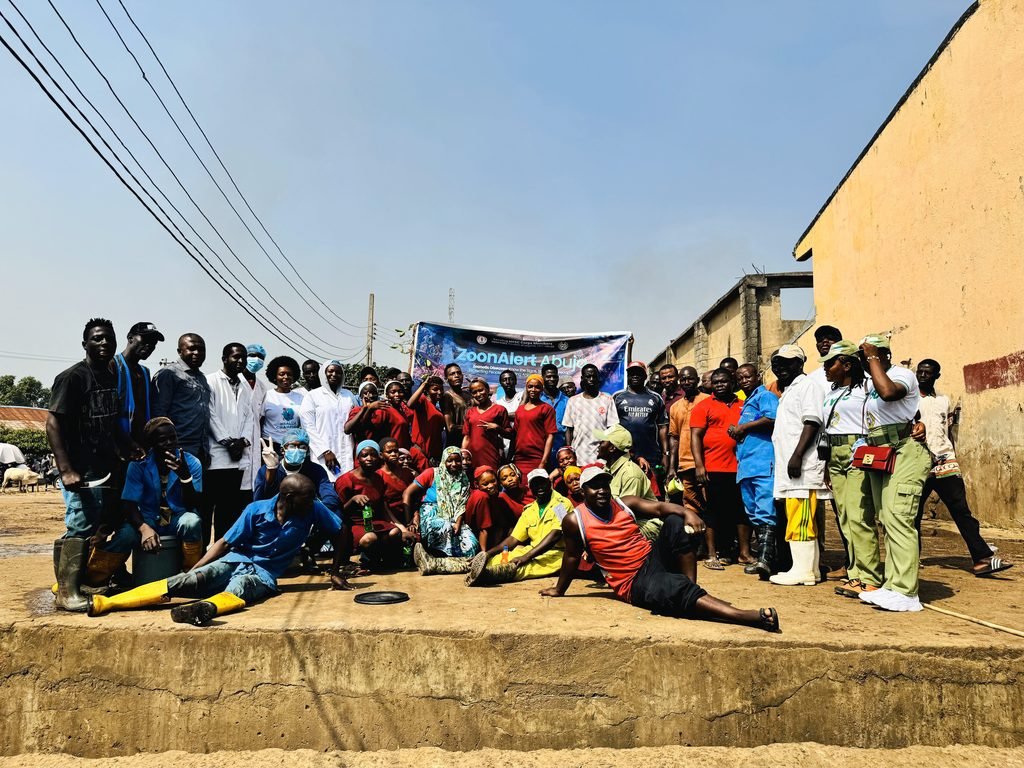
Preventing zoonotic diseases requires sustained awareness, safer working practices, and collaboration across human, animal, and environmental health.
Through continued collaboration and access to practical health information, communities can play an important role in preventing infections before they spread.