


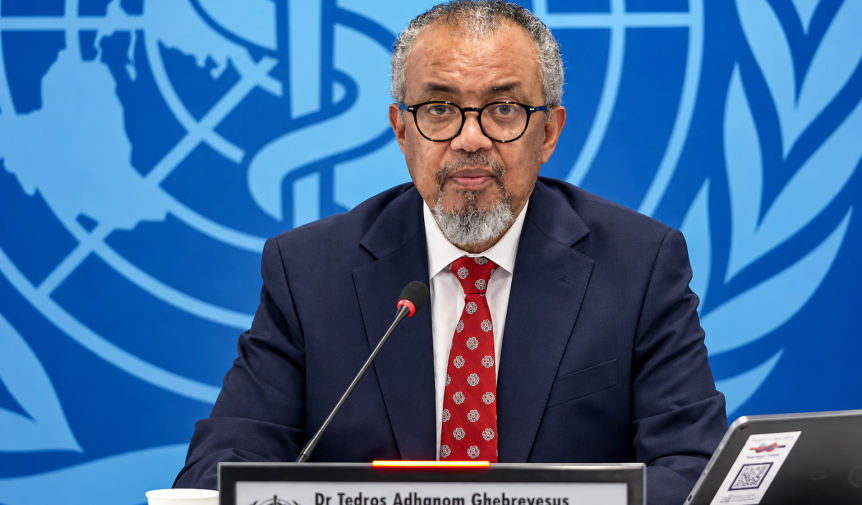
The World Health Organization (WHO) has officially declared the Hantavirus outbreak linked to the expedition cruise ship, MV Hondius, over, following two months of coordinated international surveillance and response (source). While the outbreak has ended, WHO continues to urge countries to strengthen surveillance, improve early detection, and sustain public awareness on reducing exposure to rodents. For countries like Nigeria, where Hantavirus is not commonly reported, this isserves as an important reminder that preparedness remains one of the strongest public health tools.
The causative organism belongs to the genus Orthohantavirus within the family Hantaviridae. These viruses are carried primarily by rodents, with different rodent species acting as natural reservoirs depending on the geographic region. The rodents usually do not become sick, allowing them to continue carrying and shedding the virus. Human infection occurs when people come into contact with food, household items, or surfaces contaminated with the urine, droppings, or saliva of infected rodents.
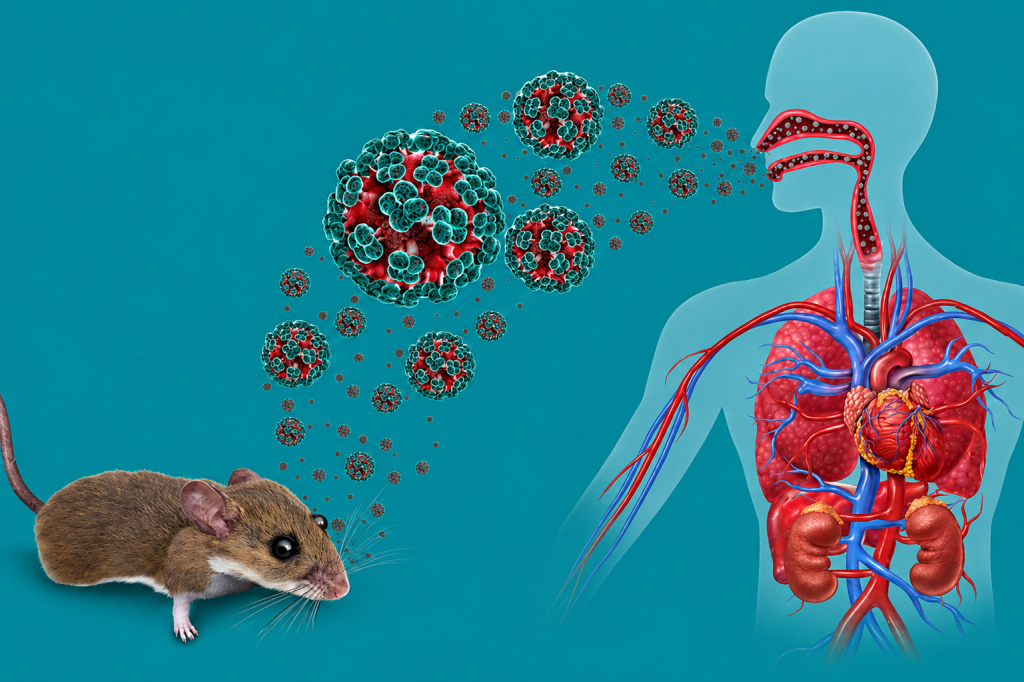
Human infection most commonly occurs through inhalation of aerosolized particles from contaminated rodent urine, droppings, or saliva. This can happen during routine activities such as sweeping enclosed spaces, cleaning storage rooms, or reopening buildings that have been closed for long periods. In some settings, direct contact with contaminated materials can also contribute to exposure.
The recent outbreak involved the Andes virus, a strain of Hantavirus found mainly in South America. Unlike most Hantaviruses, which spread from infected rodents to humans, the Andes virus has been associated with rare instances of limited human to human transmission in close contact settings. However, WHO did not confirm that human to human transmission occurred during the MV Hondius outbreak.
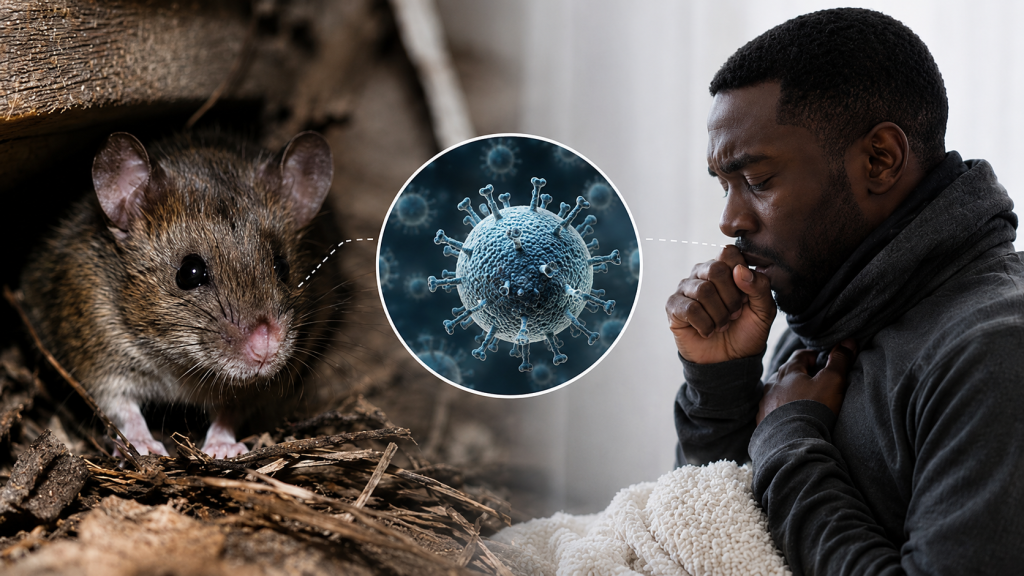
Clinically, Hantavirus infection can begin in a way that feels familiar. Early symptoms often resemble a common viral illness, including fever, muscle pain, fatigue, and general weakness. Because of this, diagnosis can be missed during the early stages. Depending on the virus involved, infection may progress to severe disease affecting the lungs or kidneys, making early recognition, supportive care, and timely clinical management essential.
From a prevention perspective, the strongest protection is reducing exposure to rodents and improving environmental hygiene. This includes storing food safely in sealed containers, practicing proper waste management, and reducing clutter in homes and surrounding areas where rodents may nest. Cleaning practices also matter. Wet cleaning methods are safer than dry sweeping in enclosed or dusty spaces because they reduce the likelihood of inhaling contaminated particles.
Beyond household practices, it is also a surveillance issue. The successful containment of the MV Hondius outbreak demonstrates the value of strong surveillance systems, prompt reporting, international collaboration, and coordinated public health action. Even in regions where Hantavirus has not been widely documented, health systems should remain alert to unusual clusters of febrile illness associated with environmental exposure so that uncommon or emerging infections can be detected early and appropriate response measures initiated.
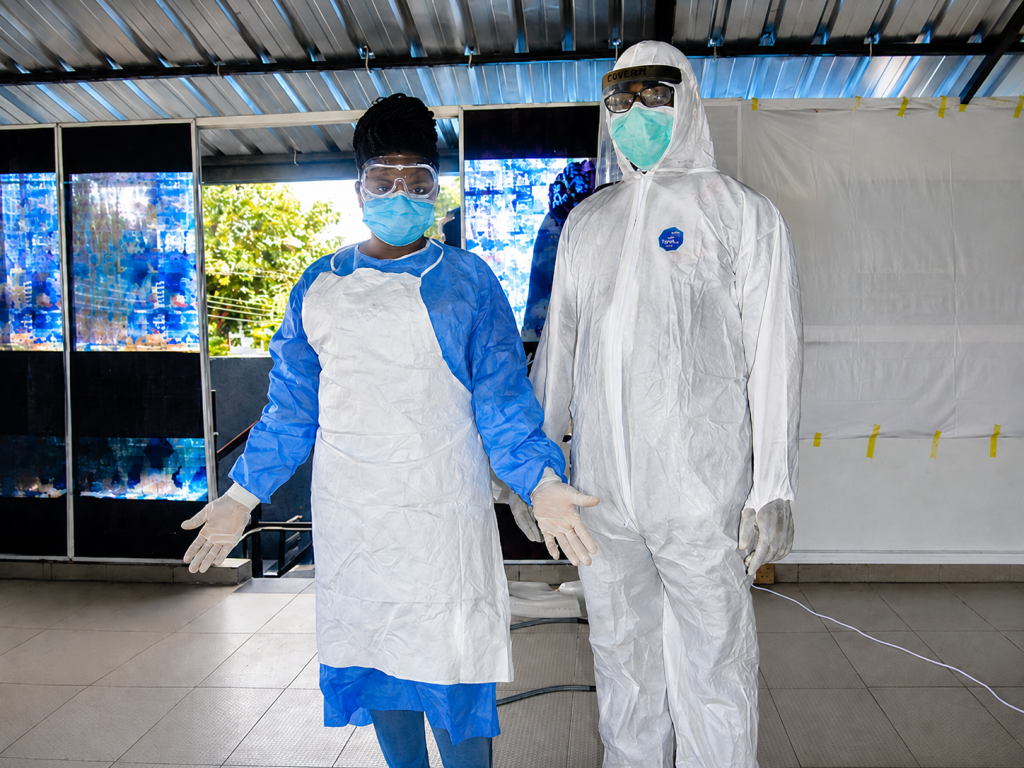
For healthcare workers, awareness remains essential. Taking a thorough history that includes environmental and occupational exposures can strengthen clinical suspicion and support timely diagnosis. For public health systems, integrating environmental risk awareness into routine surveillance improves the ability to detect and respond to emerging infectious disease threats before they escalate.
At DRASA, we continue to promote people-centered communication that supports practical understanding of infectious diseases and how they relate to everyday environments. We develop Health Champions, strengthen surveillance, and encourage preventive practices as part of creating resilient health systems. Preparedness is not only about responding to outbreaks when they occur, but also about strengthening the everyday systems that reduce risk, improve early detection, and ensure that no one suffers from preventable infectious diseases.