


The first line of defence against Lassa fever may not be a treatment centre. It may be a household, a neighbour, or a Health Champion who knows what to look for and what to do next.
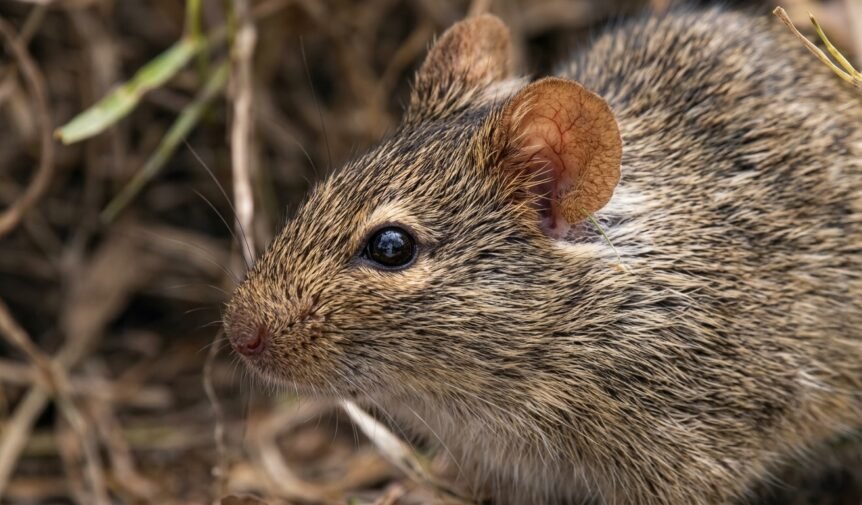
A rat scurries across a kitchen floor in the middle of the night. By morning, it is gone. No one notices the grains it contaminated or the surfaces it left behind. Life goes on as usual until, days later, someone in the household develops a fever. It feels like malaria, so they decide to wait another day before seeking care. That seemingly small decision, although common, could change everything.
Nigeria has been responding to a Lassa fever outbreak, with cases reported across several states and Local Government Areas. According to the Nigeria Centre for Disease Control and Prevention (NCDC), According to the Nigeria Centre for Disease Control and Prevention (NCDC), as reported in its latest available Lassa fever situation report, Nigeria had recorded 1,017 confirmed cases and 239 deaths across 23 states and 117 Local Government Areas, with a case fatality rate (CFR) of 23.5%. These figures were retrieved from the NCDC website on 1 September 2026 and reflect the latest available data published by the agency at the time of writing.
The NCDC attributes the increase largely to delays in seeking healthcare and late presentation at treatment centres, highlighting the urgent need to strengthen prevention, early detection, and timely access to appropriate care.
These figures represent families who have lost loved ones, healthcare workers caring for critically ill patients, and communities grappling with an infectious disease that continues to pose a serious public health threat. They are also a reminder that while treatment saves lives, preventing infections and recognizing warning signs early remain our strongest defense against Lassa fever.
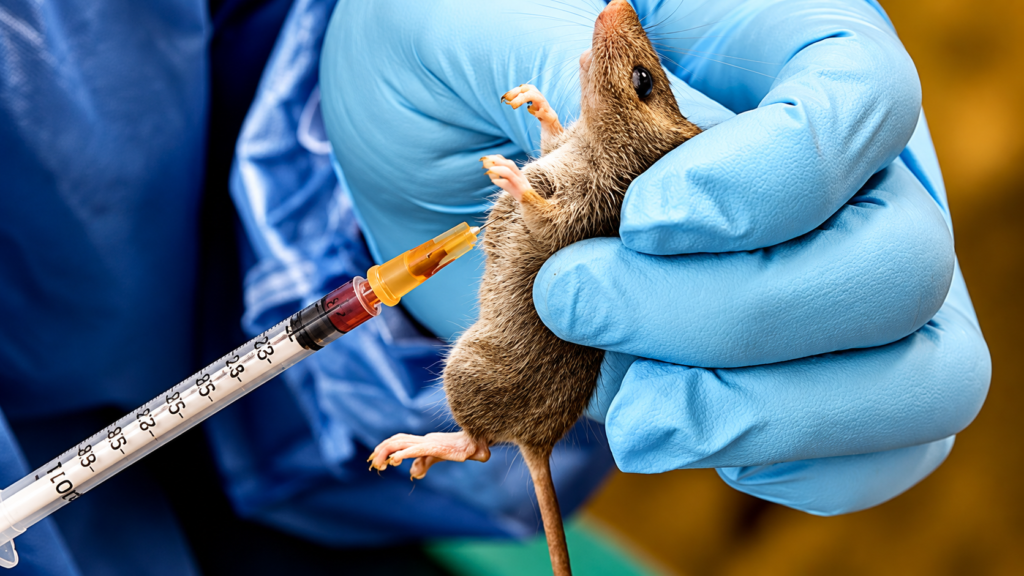
This is where infection prevention and control (IPC) becomes one of our most effective tools. Although IPC is often associated with healthcare facilities, hand hygiene, and personal protective equipment, its impact goes beyond hospital walls.
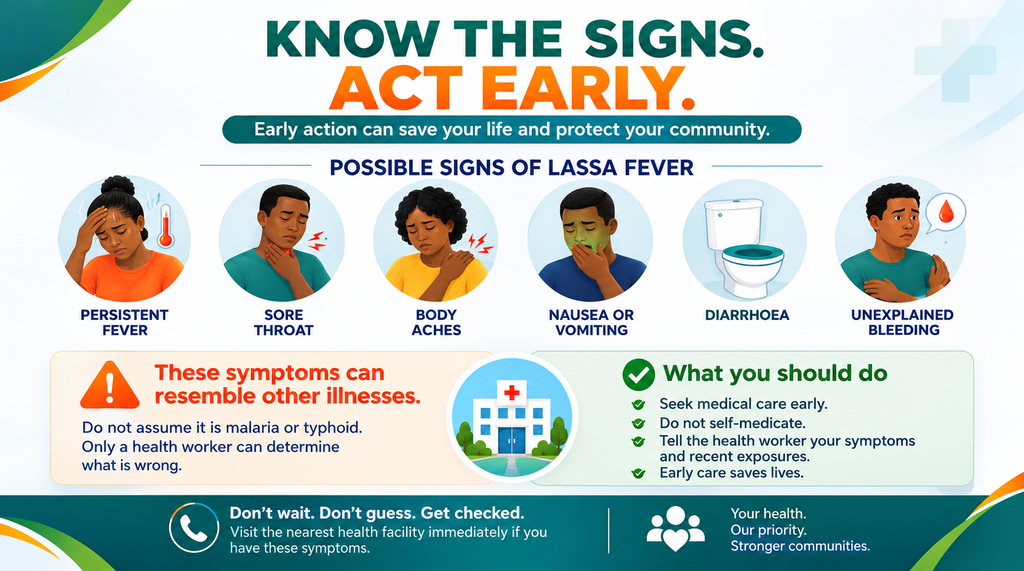
Preventing Lassa fever starts with everyday actions such as storing food in tightly sealed containers to keep rodents away, maintaining clean homes and surroundings, blocking entry points that allow rodents into living spaces, avoiding drying food where rodents can contaminate it, and seeking medical attention promptly when symptoms such as persistent fever, sore throat, or body aches appear. These simple and consistent actions can interrupt the chain of transmission before lives are put at risk.
However, communities are central to making these prevention efforts work. Public health messages are most effective when they come from reliable voices who understand local realities and can influence everyday behavior. A neighbor encouraging safe food storage. A faith leader reminding families about environmental hygiene. A trader sharing accurate information about the importance of seeking care early. These conversations may seem ordinary, but they can shape decisions that prevent illness and protect entire communities.
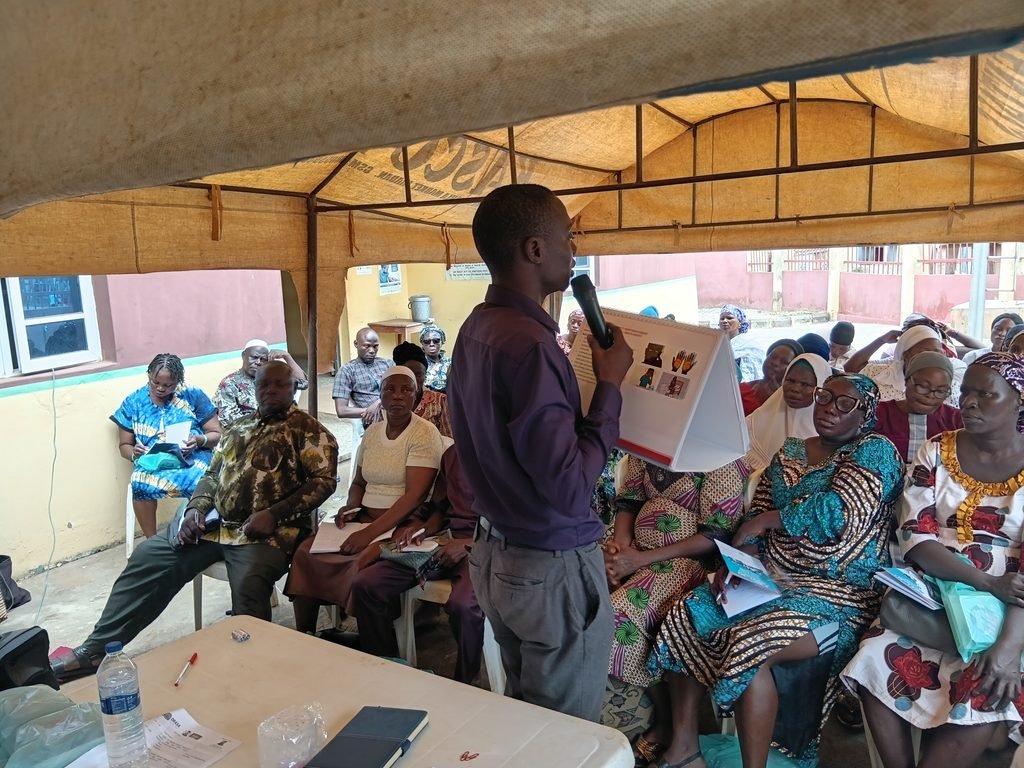
This is why the Dr. Ameyo Stella Adadevoh (DRASA) Health Trust continues to invest in developing Health Champions, equipping community members with the knowledge and skills to promote infection prevention, recognize warning signs, encourage timely healthcare seeking, and share accurate health information. Health Champions help bridge the gap between communities and the health system. They make prevention practical, accessible, and relevant, ensuring that life saving information reaches people before an outbreak reaches their doorstep.