What happens when the people closest to a health threat are equipped to recognize it, report it, and act before it spreads?
Three children in a community in Enugu State, Nigeria, lost their lives to cholera within six months. For the people of this community, the tragedy was heartbreaking. But it also revealed a painful truth about infectious disease prevention: the first warning of an outbreak often appears in the community long before it reaches a health facility.
Outbreaks rarely become deadly overnight. They become deadly when early warning signs are neglected, and when communities lack the knowledge to recognize danger before it spreads. A child develops a fever and diarrhoea. To one person, it may seem like an ordinary illness that will pass with time. To another, it could be the first warning sign of an outbreak, but together, they can signal a much bigger public health threat.
This is why community participation is at the heart of the Strengthening Community Participation for Disease Prevention and Early Detection (SCOPED) model led by the Dr. Ameyo Stella Adadevoh (DRASA) Health Trust, in collaboration with the Nigeria Centre for Disease Control and Prevention (NCDC) and other health authorities. Through SCOPED, DRASA is helping communities strengthen disease prevention, improve early detection, and build stronger links between communities and health institutions.
Listening Before Acting
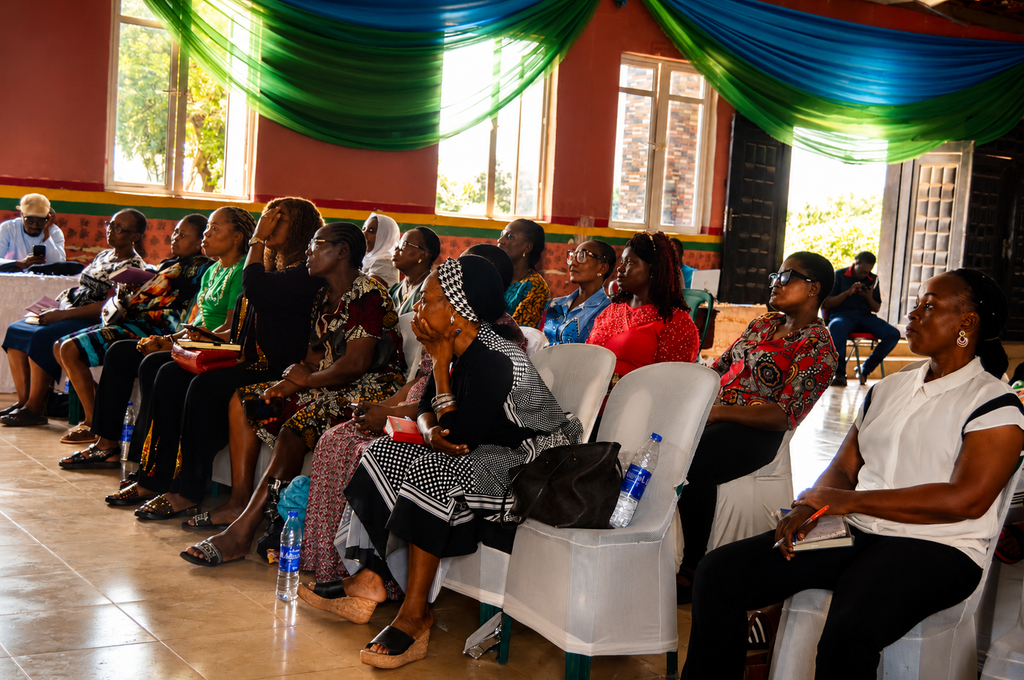
Every meaningful solution begins with listening because communities know their health challenges best. In Nigeria’s Enugu East Local Government Area, traditional rulers, youth leaders, Ward Development Committee representatives, and other community members spoke about cholera, malaria, measles, scabies, poor sanitation, and severe acute malnutrition. In Bwari Area Council of Nigeria’s Federal Capital Territory, Abuja, community leaders described unsafe water, overflowing waste sites, blocked drainage systems, open defecation, and delayed healthcare seeking. These conversations shaped interventions around the realities these communities face every day.
Turning Community Members into Health Champions
In July 2026, the SCOPED intervention took another important step.
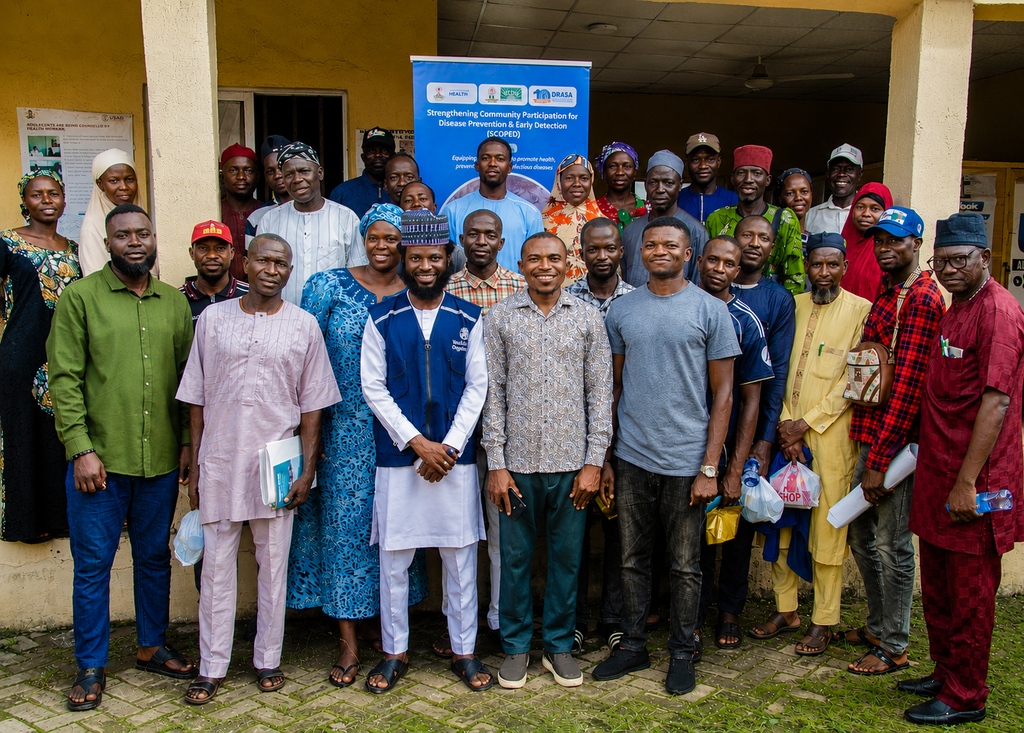
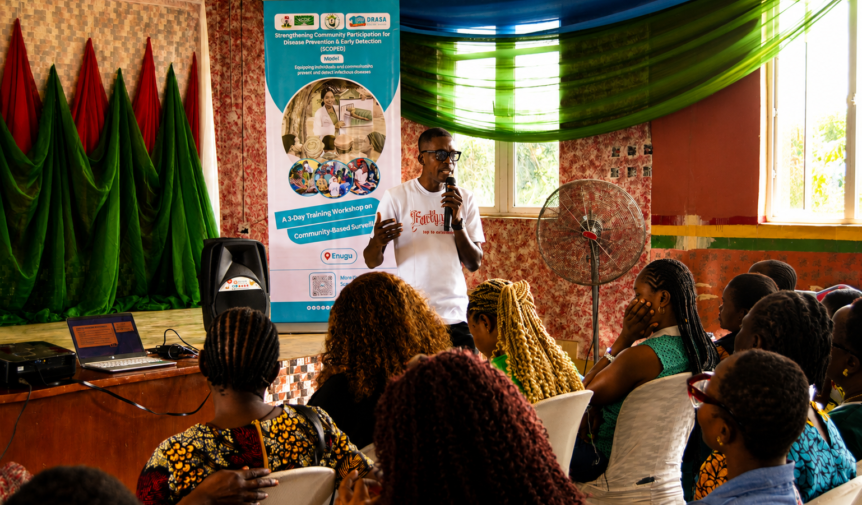
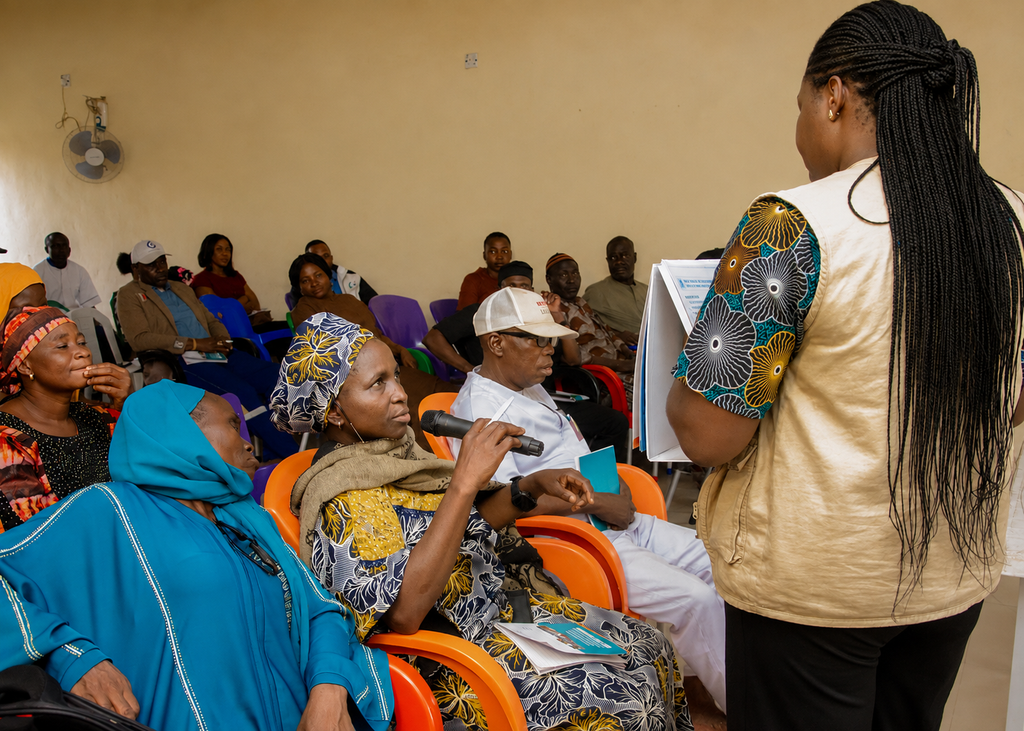
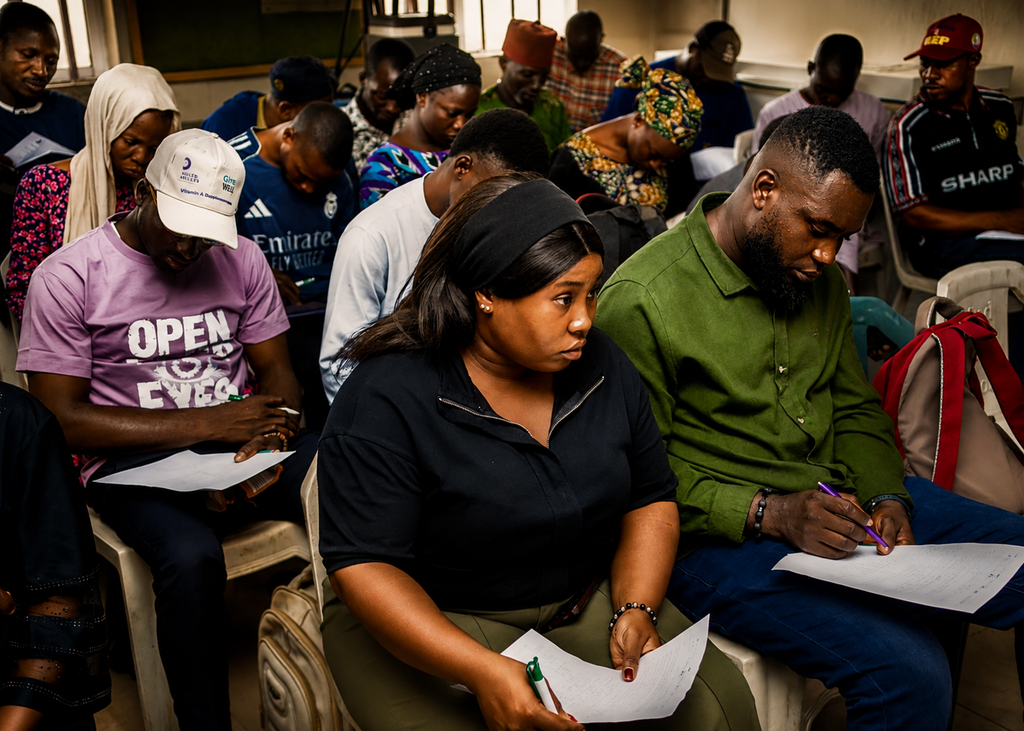
Through the DRASA Health Trust Health Champion approach, community members are trained to become part of the disease surveillance and disease prevention system. Across all 12 wards of Enugu East, 121 Community Health Champions, including Surveillance Focal Persons, participated in a three-day training. In Bwari Area Council, another 124 surveillance focal persons and Community Health Champions were trained.
They came from different backgrounds, including traditional birth attendants, patent medicine vendors, farmers, teachers, students, pharmacists, nurses, community leaders, and other local stakeholders, but shared a common purpose, to protect the health of people in their communities. Through the training, the Community Health Champions learned how to recognize unusual health events, identify public health threats, report suspected cases early, communicate health risks, and prevent the spread of infectious diseases.
Deploying Digital Tools for Prompt Reporting
Training the Health Champions is only one part of the approach. For community surveillance to work, information must move swiftly.
To strengthen the flow of information from communities to the health institution, DRASA therefore established a Community of Practice WhatsApp platform where Health Champions report suspected cases and other public health threats as they are identified. This creates a direct communication channel between community members and health authorities, and facilitates quicker response when a potential health threat is suspected.
In public health, an early signal means an earlier response - and an earlier response can prevent wider transmission.
When Experience Becomes Action
The training also brought personal experiences into the room that connect with public health concepts. One participant recalled a diphtheria outbreak that claimed the lives of three children from the same family, while another shared memories of a cholera outbreak that affected 15 people in her community. Another participant described how he discovered that a family's well had been dug dangerously close to a soakaway after noticing repeated cases of diarrhea and vomiting. He advised the family to stop drinking from the water source, and the illnesses became less frequent. It was a simple observation, but it demonstrated that when communities have the knowledge to recognize health risks early, everyday observations can become public health action.
For Ocholi Isreal, a Health Champion who participated in the training, the experience changed how he viewed his role in protecting public health.
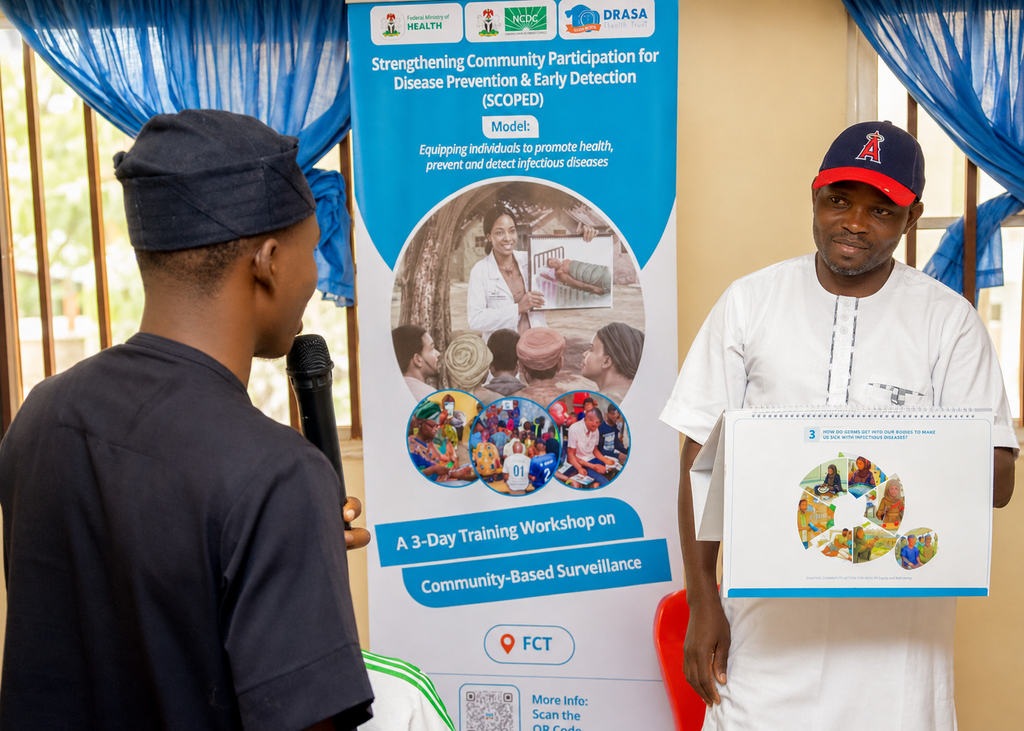
"I have learned how to detect suspected cases of infectious diseases. This training has broadened my understanding of disease prevention and highlighted the dangers of not reporting these diseases early. I will enlighten other members of the community."
The Numbers Tell Part of the Story
The training produced measurable gains in knowledge. In Enugu East, Community Health Champions recorded a 37.6% increase in their understanding of disease prevention, early detection, and community-based surveillance, while knowledge among Surveillance Focal Persons increased by more than 15%. In Bwari, Community Health Champions recorded a 41.13% increase in knowledge across the same areas. These improvements matter because knowledge is the foundation for recognizing risks, making informed decisions, reporting suspected cases, and taking preventive action.
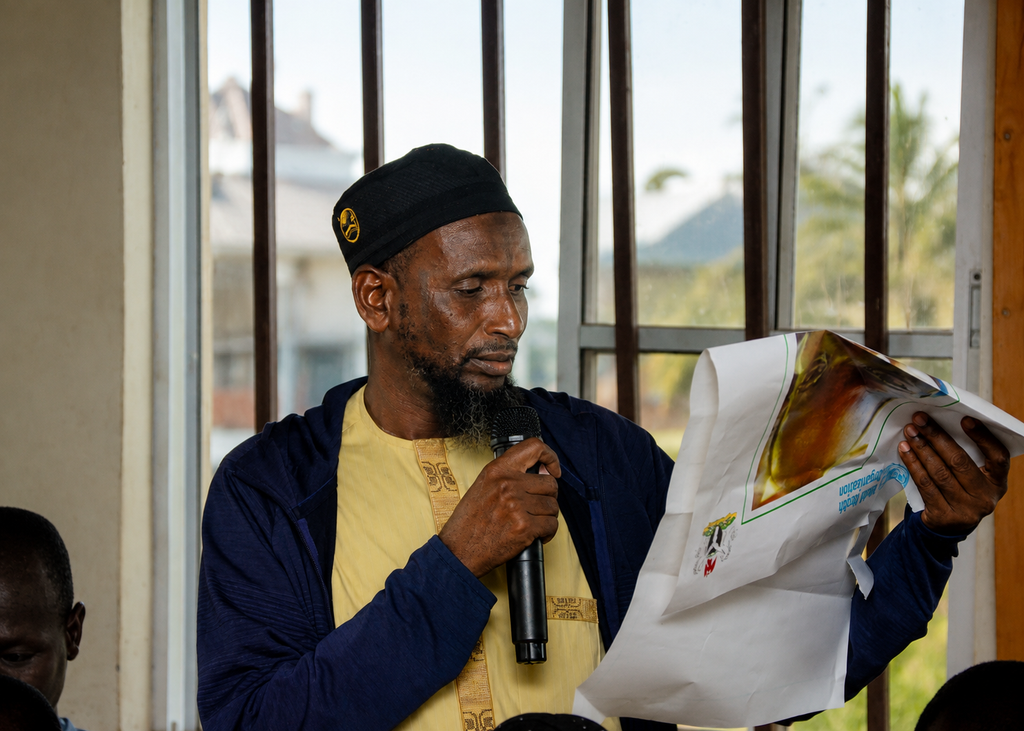
But the greatest success of the SCOPED model cannot be measured by percentages alone. It lies in the child whose illness is recognized before it becomes an outbreak, the family protected because an environmental risk was identified, and the healthcare worker who receives an earlier alert because someone in the community knew what to report.
The three children who lost their lives to cholera cannot be brought back but their story is shaping a different future and why communities must be equipped to become active partners in disease prevention and early detection.
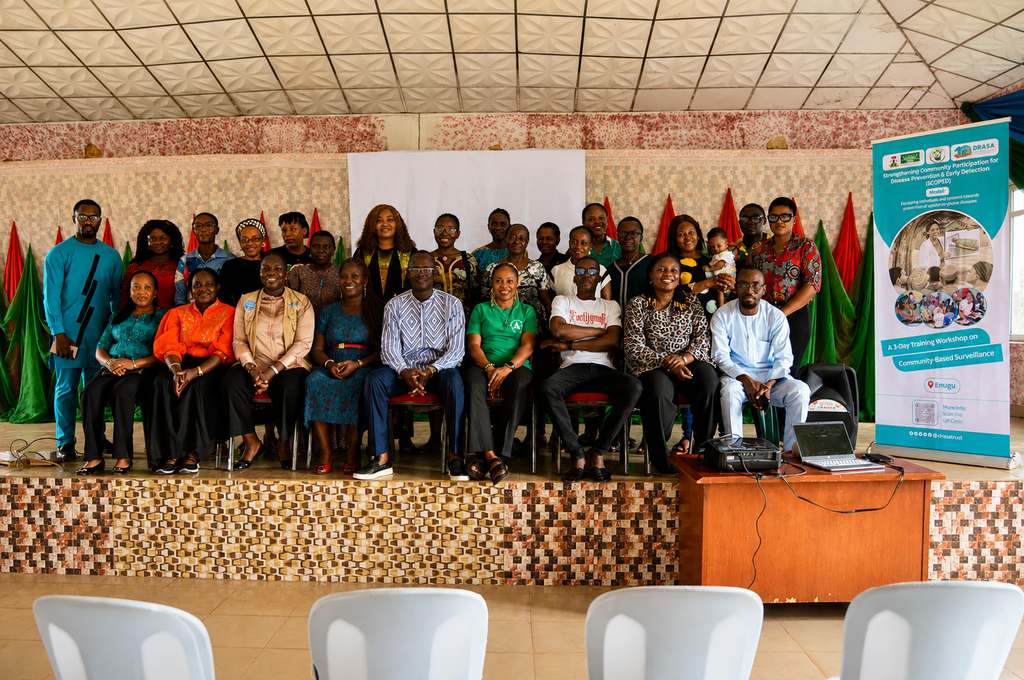
At DRASA Health Trust, we believe no one should suffer from preventable infectious diseases. Every Health Champion brings us one step closer to that future. Because sometimes, the greatest public health success is not the outbreak that is contained. It is the outbreak that never happens.