


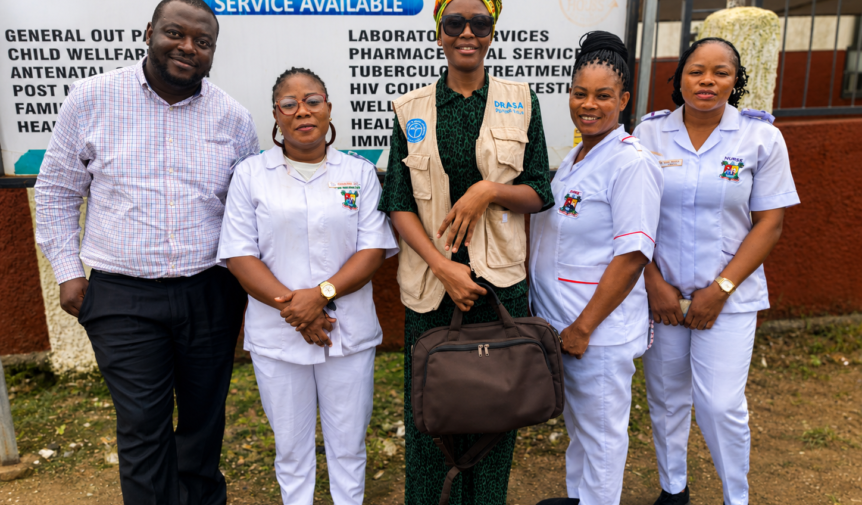
Imagine arriving at a health centre ready to care for patients, only to find that there is no reliable water to wash your hands.
For the healthcare workers at Awoyaya 1 Primary Healthcare Centre (PHC) in Ibeju-Lekki Local Government Area (LGA), this was not a hypothetical situation. Unreliable power meant unreliable access to water, making one of the most basic practices in infection prevention and control (IPC) difficult to maintain. Waste management was another challenge, adding to the everyday pressures of providing safe care with limited resources.
For the healthcare workers there, these were not simply gaps on an assessment checklist. They were challenges they faced every day, knowing that something as basic as clean water could make a difference in protecting themselves and the patients who walked in through their doors.
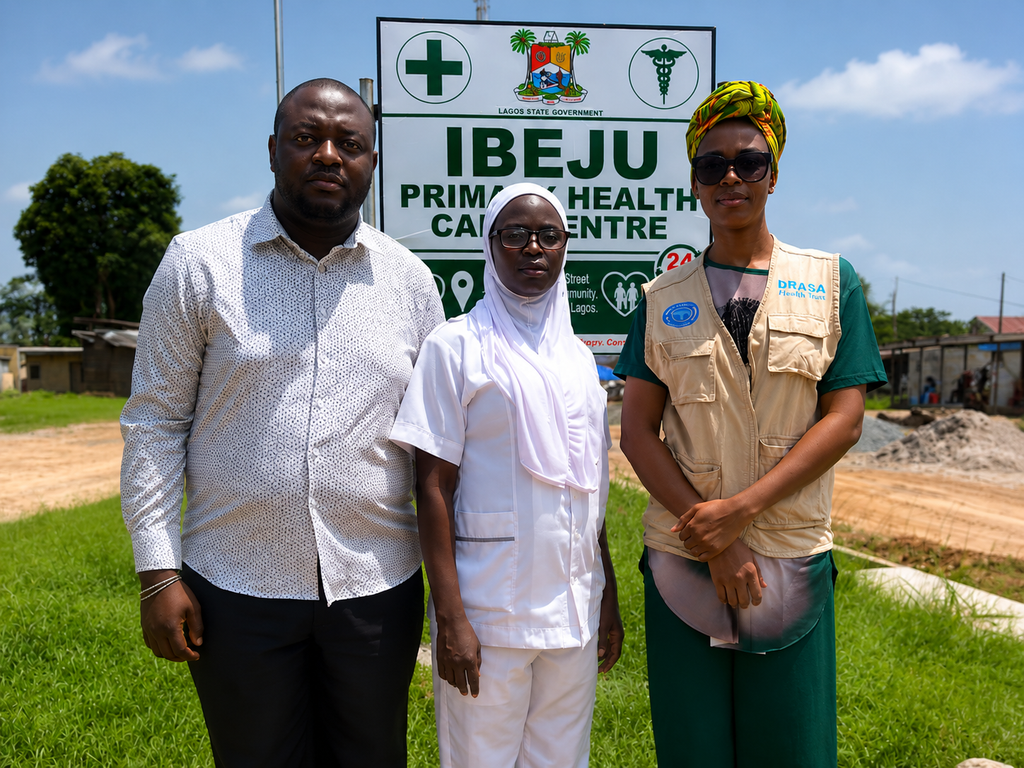
It was against this reality that DRASA Health Trust returned to Awoyaya 1 and six other primary healthcare centres across Ibeju-Lekki, Ikorodu, and Badagry LGA following IPC training conducted in June 2026. Through its Primary Health Care Lagos Infection Prevention and Control Project, the team came not simply to assess what was working and what was not but to listen, mentor, and work alongside healthcare workers to find practical solutions to the challenges they faced.
At Awoyaya 1 PHC, that support helped turn a persistent challenge into action. With encouragement and mentorship from the DRASA team, the Officer-in-Charge advocated for solutions to the facility's infrastructure challenges. With the support from the LGA Medical Officer of Health, the challenge was taken to the LGA Chairman and that advocacy eventually resulted in the installation of solar power, providing a more consistent water supply.
For the facility, this meant more than having electricity. It made hand hygiene more achievable and created a safer environment for both healthcare workers and patients. A local waste management system was also established, using a dedicated “keke jaja” mobile collection service to support the timely and safe disposal of healthcare waste to a secured designated dumping site within the LGA, where it is accessible to the Lagos State Waste Management Authority (LAWMA) team for collection and appropriate disposal.
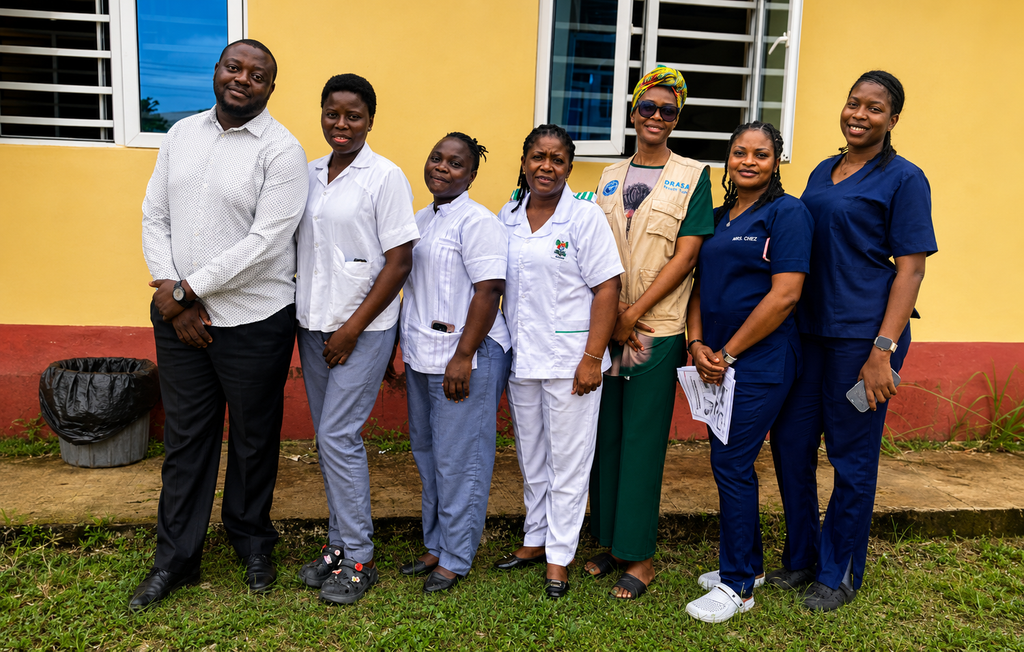
At Bogije PHC, the circumstances were different, but the need for support was just as pressing. The facility had been temporarily relocated because of renovations, while both the DRASA-trained Officer-in-Charge and IPC Focal Person had been transferred to another facility. However, these changes did not interrupt the facility's progress as the DRASA team worked with the incoming Officer-in-Charge to rebuild ownership by appointing a new IPC Focal Person, who was enrolled in the NCDC IPC e-learning course and connected with the Lagos IPC Community of Practice. Together, they developed an action plan to address the gaps identified through the National IPC scorecard.
Then another challenge came.
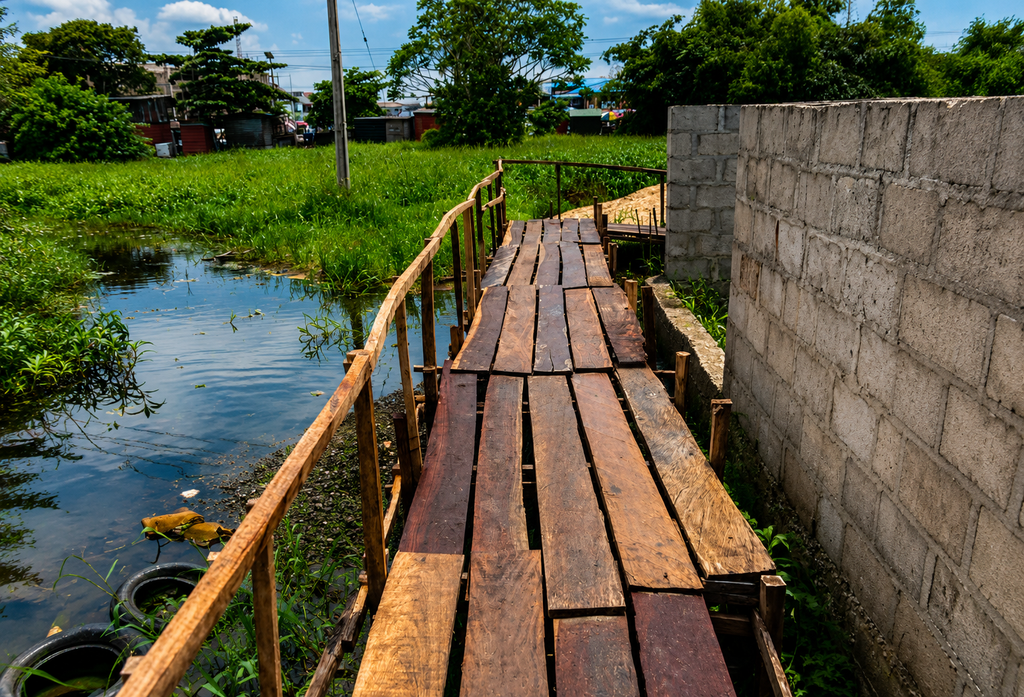
Severe flooding blocked access to the temporary facility, forcing healthcare workers and patients to navigate through high water and exposing them to serious safety risks. What started as an IPC concern had become a question of whether it was safe to reach the facility at all.
With advocacy to the LGA Chairman, construction workers were deployed to build a temporary wooden bridge, restoring safe access for healthcare workers and patients. This shows that safer healthcare depends not only on what happens inside a facility, but also on the systems and conditions surrounding it.
These moments show what supportive supervision can look like when it goes beyond checking boxes. The DRASA team was not simply asking whether IPC standards were being followed but also listening to healthcare workers, understanding the barriers behind the gaps, and helping to co-create solutions. More importantly, the process gave healthcare workers the confidence to advocate for practical changes and take ownership.
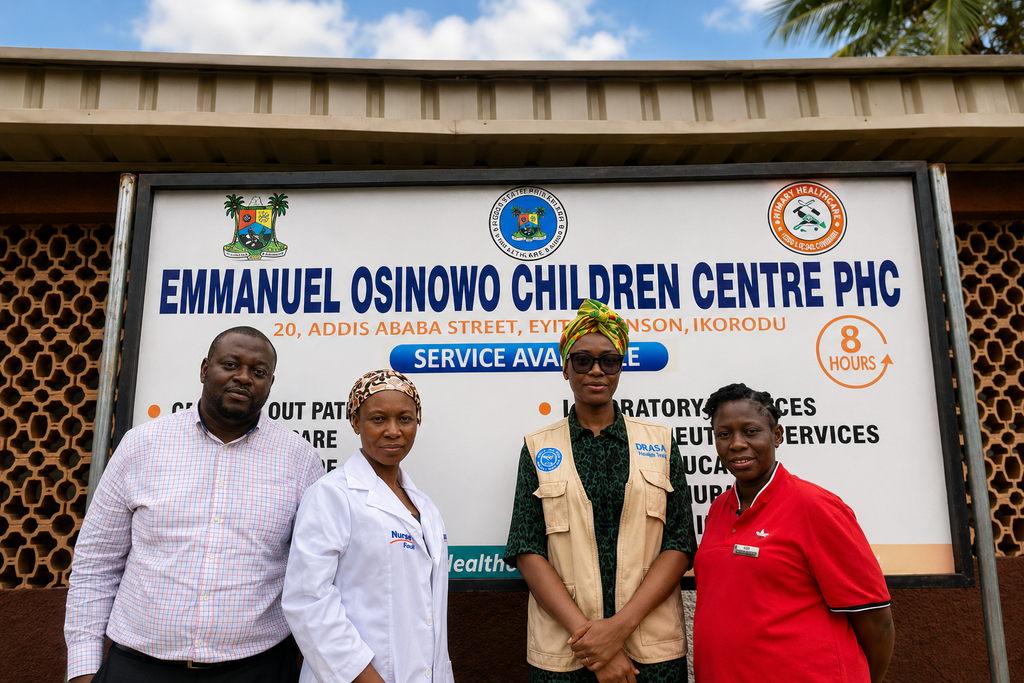
The same spirit was visible across the other supported facilities.
At Emmanuel Osinowo Children Centre PHC, a Health Information Management Officer was temporarily assigned to oversee IPC activities following staff transitions. With support from the DRASA team, the newly assigned staff member completed and submitted the National IPC Scorecard, while the facility identified priority areas for improvement.
At Ipakodo PHC, a newly appointed IPC Focal Person was oriented on the scorecard, enrolled in the NCDC IPC e-learning course, and supported to identify priority actions for improving compliance. Both facilities were also connected to the Lagos IPC WhatsApp Community of Practice, creating a space where healthcare workers could continue learning and supporting one another beyond the supervision visits.
Across the seven DRASA-supported healthcare facilities in Lagos State, the changes were beginning to take shape. Healthcare workers were:
- Reoriented on the National IPC Scorecard;
- 8 healthcare workers received direct mentorship on IPC best practices
- 3 enrolled in the NCDC IPC e-learning course; and
- 4 facility-level success stories were documented from Awoyaya 1, Bogije, Ipakodo, and Emmanuel Osinowo Children Centre PHCs.
I used to wear gloves and walk around the facility looking for what to use. After the step-down training, I have learnt that I need to gather all instruments and materials before putting on gloves, and I remove them before leaving the duty post. It saves gloves and reduces contamination risk."
-Participant-Nurse
"We didn’t separate waste at the point of generation before. The training showed us the correct bins and color coding. Now I know the need to segregate infectious and general waste immediately where it’s generated."
-Participant-CHEW
"As cleaners, we just dumped all waste in one place. Now we know the standard practice for handling and disposing of infectious and non-infectious waste. We will follow the steps we were shown during the practical demo."
-Participant-Cleaner
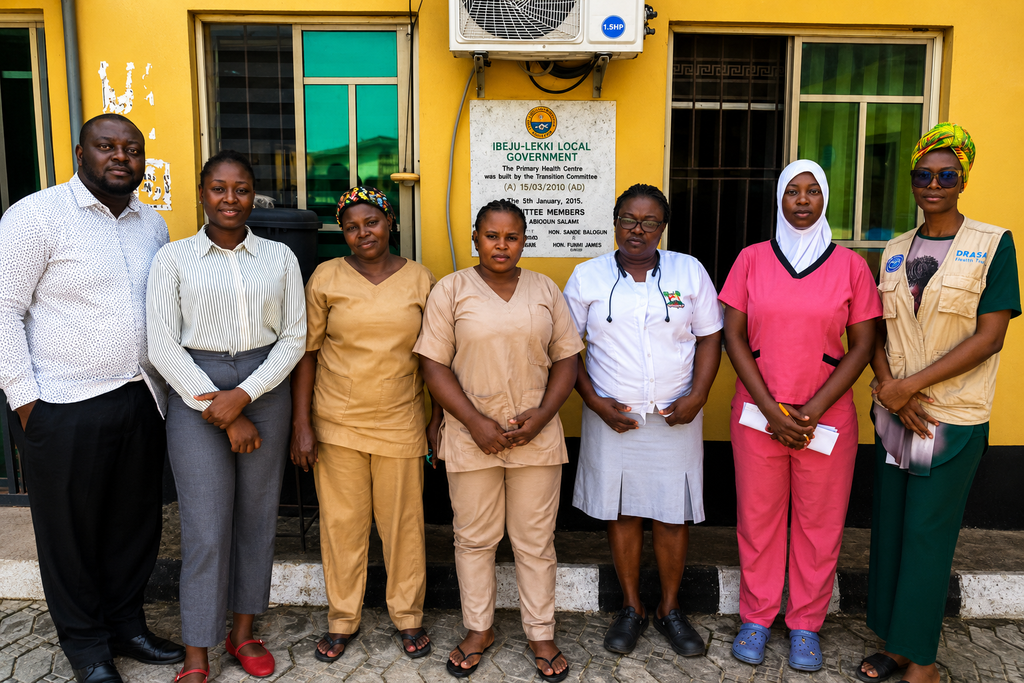
But the most meaningful change was not captured in those numbers. It was seen in healthcare workers who began to realize that the challenges facing their facilities did not have to remain permanent.
An Officer-in-Charge who once struggled with unreliable power was able to advocate for solar energy and better waste disposal. Another healthcare worker faced a flooded access route and made the difficult decision to protect patients and staff, which led to a safer solution. Newly appointed IPC Focal Persons stepped into unfamiliar roles, learned new tools, developed action plans, and found a community of peers they could turn to for support.
These may appear like small changes. But inside a primary healthcare facility, small changes can make a big difference. They can mean a healthcare worker is able to wash their hands before attending to a patient. They can mean waste being removed before it becomes a hazard. They can mean a patient reaches a health facility safely. They can mean a healthcare worker has the confidence to speak up when something is not working. And sometimes, that is where safer healthcare begins.
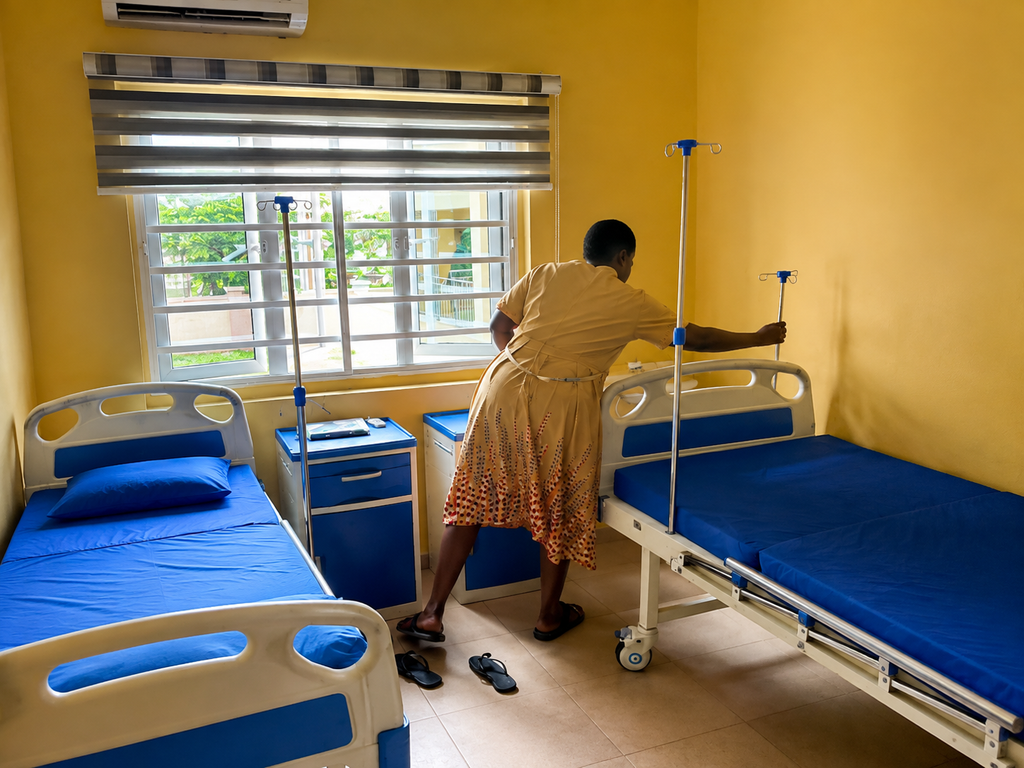
The work continues. The challenges have not disappeared. Staff turnover, limited IPC supplies, gaps in standard operating procedures, infrastructure challenges, and the need for stronger coordination remain. But the supportive supervisory visits have shown that when healthcare workers are given the right mentorship, tools, and support, even facilities facing significant constraints can begin to close IPC gaps and build stronger systems for safer care.
For DRASA Health Trust, strengthening IPC is not only about preventing infections within healthcare facilities. It is about creating safer places for people to receive quality healthcare services and giving healthcare workers the knowledge, confidence, and support they need to protect themselves, their colleagues, and the patients they serve. Behind every IPC improvement is a healthcare worker trying to make care safer, and sometimes, change begins when someone simply believes that a better way is possible.