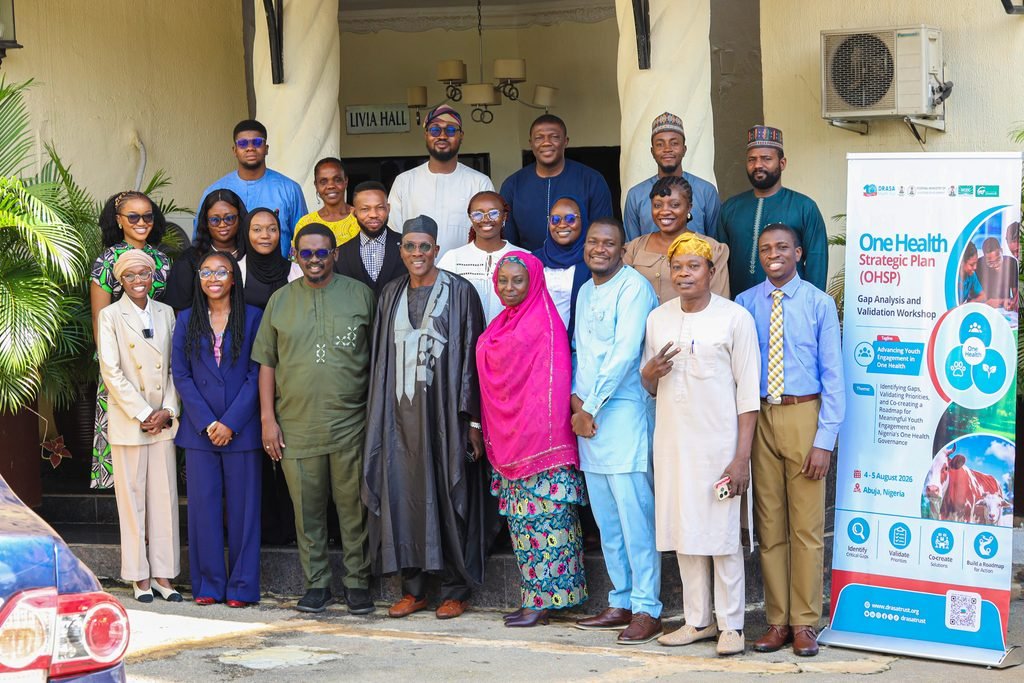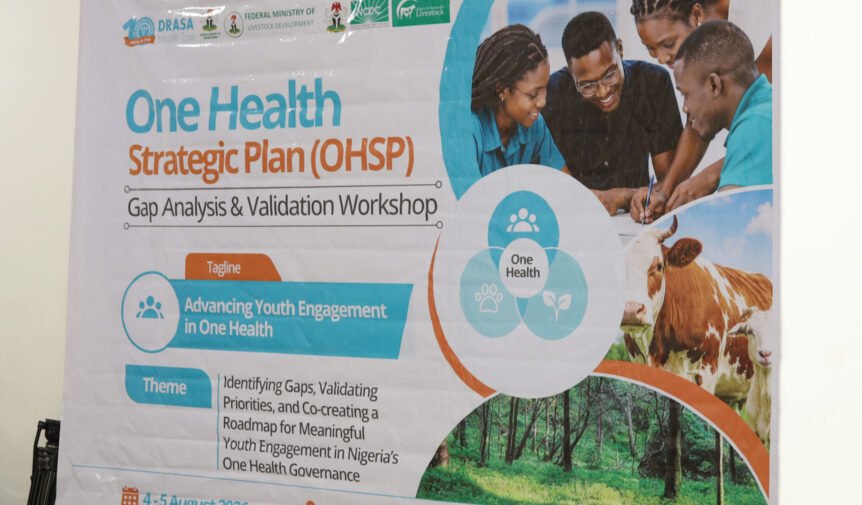
For years, young people have been part of Nigeria’s response to public health threats, especially those that affect the interconnected human, animal and environmental systems. They have supported disease surveillance and outbreak responses, conducted research, communicated health information, developed innovations, and reached communities in ways that formal health institutions sometimes cannot. Yet, despite being part of the work, many have had little opportunity to influence the decisions that shape it. They could contribute to the response, but are not always given equal opportunities to influence the conversations about what the response should look like.
That is beginning to change.
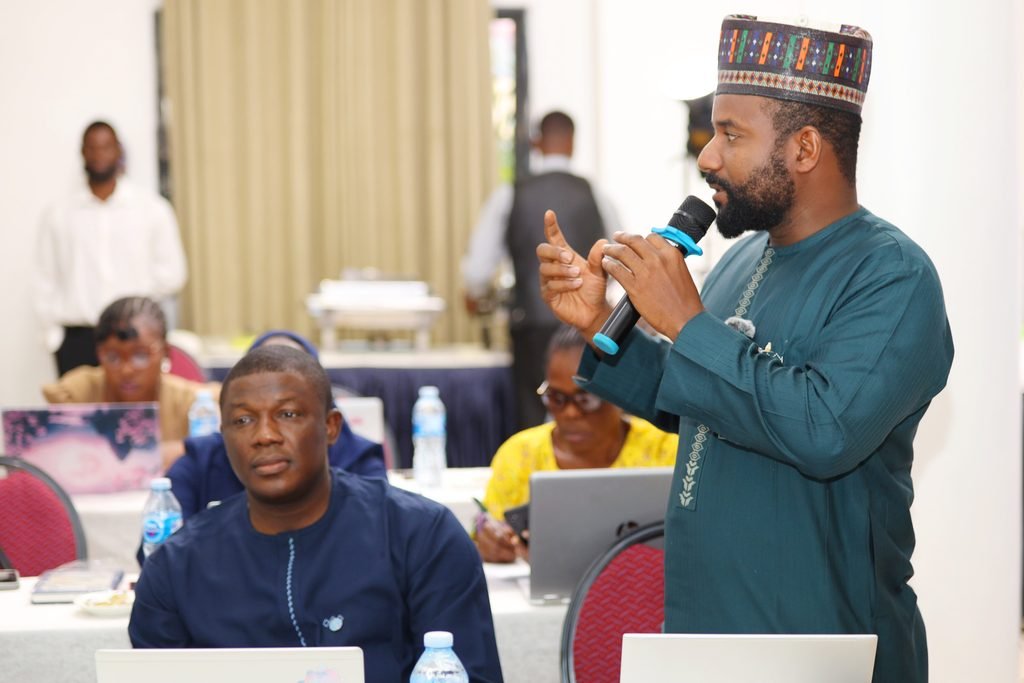
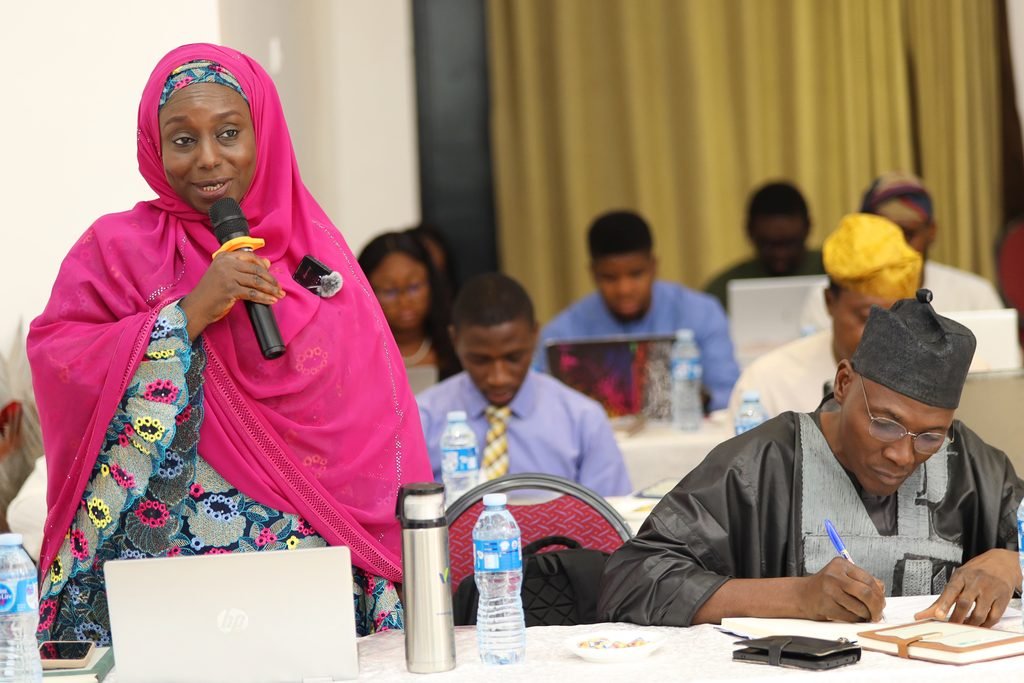
In August 2026, young professionals from across Nigeria’s One Health community gathered in Abuja with government officials, researchers, civil society organizations, development partners, and other stakeholders to confront an important question that has been building for some time: What would it take to move young people from the sidelines of One Health to the centre of it? The conversation was led by DRASA Health Trust and Alliance for Sustainable Livestock (ASL), through the Youth for Pandemic Alliance initiative, and convened by the National One Health Coordinating Unit as part of the review of Nigeria’s National One Health Strategic Plan. For DRASA, the conversation was about creating a collaborative environment for One Health implementation where the knowledge, ideas, community experience, and innovations from young people can influence how Nigeria prepares for and responds to the health threats of tomorrow.
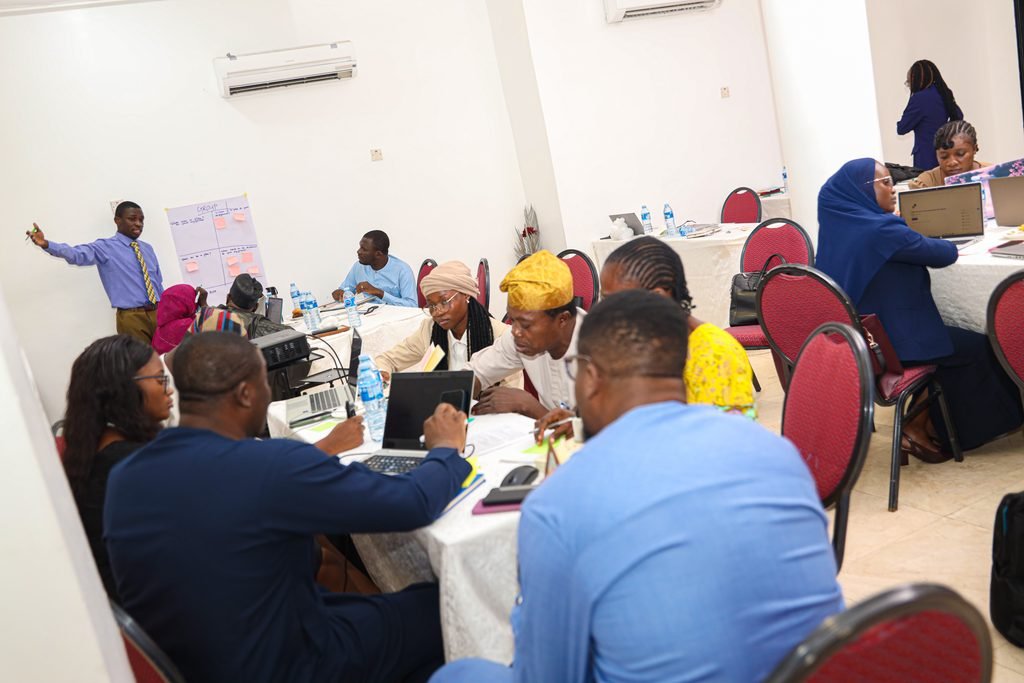
As the discussions unfolded, the gap became clear. Although young people were already contributing across surveillance, emergency response, research, digital health, risk communication, innovation, and community engagement, many of these opportunities were tied to individual projects or short-term initiatives. Formal spaces for young people to participate in governance, policy development, planning, and decision-making remained limited.
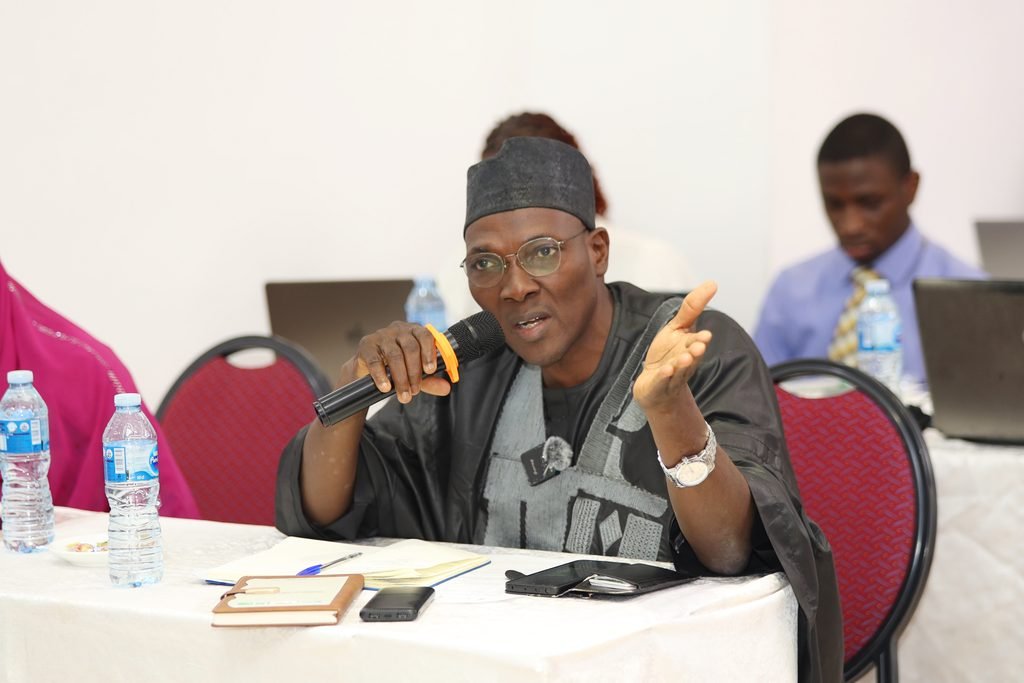
The room therefore became a place to ask difficult questions and, importantly, to listen. What happens when a young epidemiologist has an idea for improving surveillance but no formal pathway to influence policy? What happens when a young researcher generates evidence that could strengthen health programs but struggles to find the support to take that work further? What happens when young people are involved in mobilizing communities during an outbreak but are not recognized enough to help shape the policies that drive response?
These questions shaped the conversations over two days, as participants explored practical ways to create pathways for young people to participate in five critical areas: governance, surveillance and response, training and research, risk communication, and resource mobilization. They discussed mentorship, financing, leadership opportunities, formal representation, research networks, digital platforms, and ways to measure whether youth engagement is actually making a difference.
And something important happened in the process: the conversation progressed from whether young people should be involved to how they should be involved.
Participants agreed that young people should not be seen simply as beneficiaries or volunteers. They are already contributing to Nigeria’s health security, and their role needs to reflect that reality. They should have opportunities to become co-creators, strategic partners, innovators, and leaders within the One Health space.
The ideas that emerged were practical. Participants proposed:
- A National One Health Youth Taskforce and Youth Engagement Framework
- Formal youth representation within public decision-making spaces and technical working groups
- Dedicated financing for youth-led initiatives
- Stronger mentorship and leadership development
- Support for youth-led research and innovation, and
- Measurable indicators to track youth participation.
For a young professional working in public health, veterinary medicine, environmental science, agriculture, research, communication, or digital technology, these changes could mean something simple yet significant: the experience gained from doing the work can become a pathway to shaping the work.
And that matters because the health threats Nigeria faces are becoming increasingly complex. Diseases move between people, animals, and the environment. New outbreaks can emerge quickly. Misinformation can spread in minutes. Climate and environmental changes can create new risks. Responding to these challenges will require fresh ideas, new skills, community connections, and a generation prepared to lead. That is why the investment in youth engagement matters.
Through its support for the workshop, DRASA is contributing to a broader effort to strengthen the people and systems that will protect communities from future health threats. The goal is not simply to prepare young people to inherit the One Health space. It is to give them the opportunity to help build it. On 5 August 2026, the workshop communiqué was formally adopted in Abuja, capturing the recommendations and commitments that emerged from the two days of conversations.
The work, however, does not end with a communiqué. The next step is to turn the commitments outlined above into action. We will continue to support the network by creating pathways for young people to collaborate, develop and advance the practical ideas identified during the convening. This includes strengthening connections across sectors, supporting youth-led initiatives, facilitating opportunities for mentorship and collaboration, and creating platforms where young people can continue to contribute their expertise and perspectives to One Health priorities.
The goal is to ensure that the ideas captured in this communiqué do not remain recommendations on paper. We will work with members of the network and relevant partners to identify priority actions, connect ideas to opportunities and resources, and track progress as these commitments move from discussion to implementation.
Young people have never been waiting to contribute to One Health. They are already doing the work. Our responsibility now is to build on that momentum, support the network that is driving it, and create the structures and opportunities needed for their ideas to become part of Nigeria’s approach to health security.
At DRASA, we are committed to developing Youth Health Champions who are equipped to drive meaningful change at every level, from their communities to the national stage.