



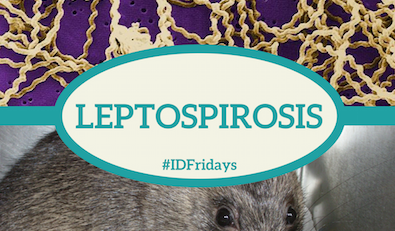
Leptospirosis is most commonly found in rodent urine and can cause a range of issues from mild flu-like symptoms to severe organ failure
Name
Leptospirosis
Transmission
- A disease caused by the spiral/corkscrew-shaped bacteria Leptospira
- Humans get infected through direct contact with urine from infected animals or contact with water, food, or soil that contains urine from these infected animals (especially rodents)
- Transmission from one person to another is rare
Geography
Worldwide, but leptospirosis is more common in temperate or tropical climates
Incubation Period
2 – 26 days (average of 10 days)
Signs and Symptoms
- Fever
- Muscle pain
- Chills
- Abdominal pain
- Vomiting
- Severe headache
- Rash
- Red eyes
- Jaundice (yellow skin and eyes)
- Diarrhea
Rarely a severe form of the disease called Weil’s disease occurs when the bacteria infect other organs of the body, such as the kidneys, heart, liver, lungs, or brain
Diagnosis
Blood and urine tests to detect the presence of the Leptospira bacteria
Treatment
- Antibiotics penicillin or doxycycline
- More severe cases could require intravenous antibiotics
Prognosis
Generally, outcomes are good except if treatment is delayed which could lead to a life-threatening infection
Prevention: What Can You Do?
- Avoid contact with animal urine
- Avoid swimming or wading in water which could be contaminated
- Wear protective clothing when working outdoors or with animals
Leptospirosis In the News
- Tennis player Gabriella Taylor ‘highly unlikely’ to have been poisoned
- Teen dies of lepto, but BMC denies outbreak despite 45 cases in August
Sources:
https://www.cdc.gov/leptospirosis/
http://www.who.int/topics/leptospirosis/en/