



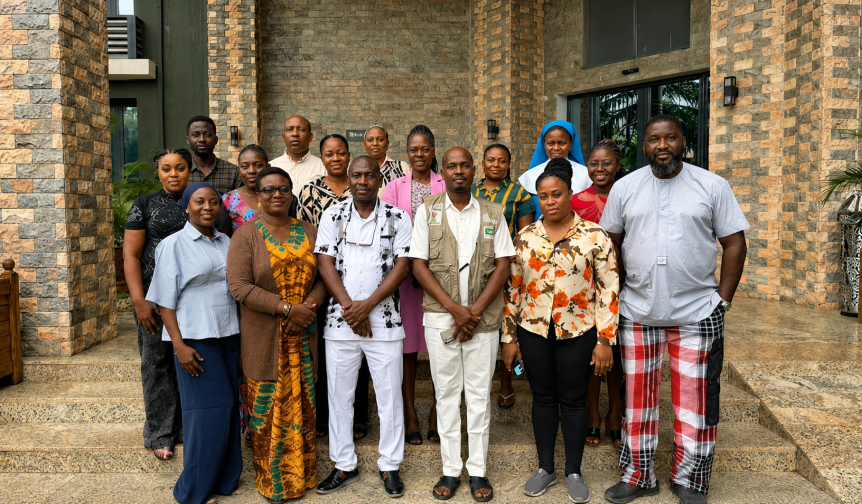
Consider the uncertainty of a mother holding her child who has a fever, as she steps through the doors of a local clinic. She places her complete trust in the hands of a medical staff, seeking nothing else than a cure. In clinics such as this across Africa and Nigeria, an invisible threat lingers. It is the silent tragedy of healthcare-associated infections, where individuals visit a hospital to heal but inadvertently contract an entirely new, potentially serious, infection.
Through our work, many health workers are increasingly understanding the basic rules of infection prevention and control within the clinic walls, from washing hands, to managing hazardous waste, scrubbing surfaces, and wearing protective gear. However, when the waiting room overflows, when the water supply suddenly cuts out, or basic resources run thin, maintaining these protocols becomes a daily struggle.
This is the reality that the Turn A State Orange (TASO) Initiative works to improve. Dr. Ameyo Stella Adadevoh (DRASA) Health Trust, in close partnership with the Nigeria Centre for Disease Control and Prevention (NCDC) and state health stakeholders, is developing everyday health workers into Health Champions who protect the health of their patients and co-workers within their facilities.
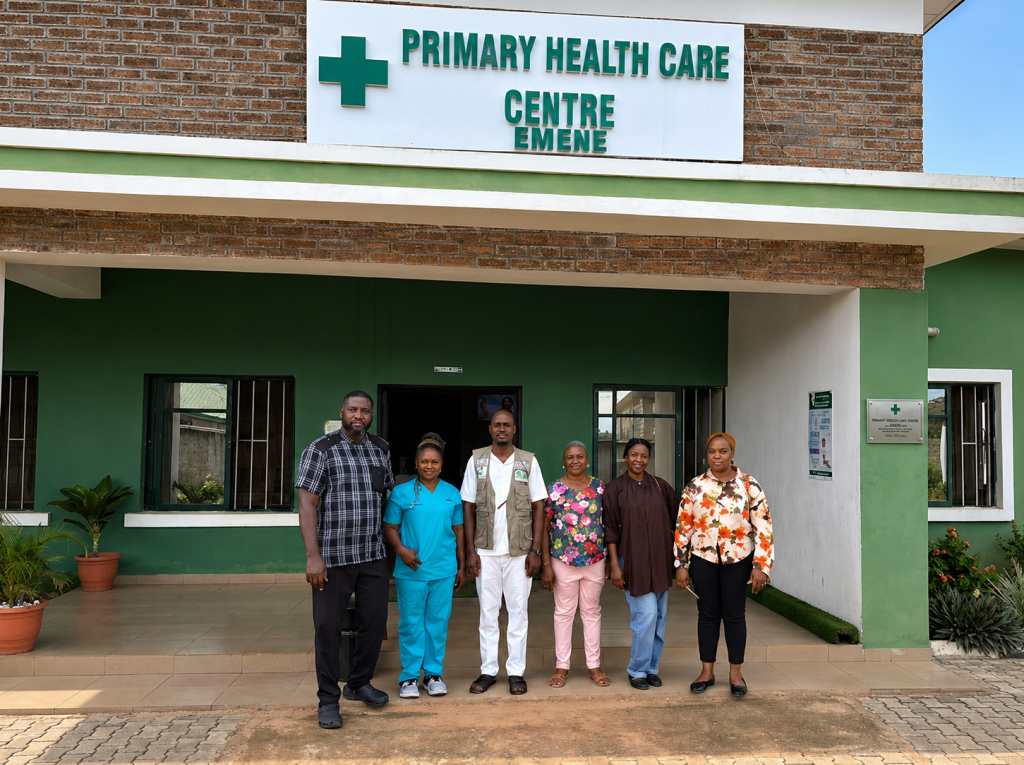
Walking the Frontlines: The Reality of the Wards
Implementing the TASO initiative, team assessors worked directly in 5 primary healthcare centers, secondary hospitals, and private clinics in the FCT, Enugu, and Oyo States. Using the World Health Organization (WHO) Infection Prevention and Control Assessment Framework Minimum Requirement (IPCAF-MR) tool, they supported local health
facility teams to assess how well their infection prevention and control (IPC) measures were working during their supportive supervision exercises. control (IPC) measures were working during their supportive supervision exercises.

They did not just look at paperwork and policies but they also examined hand hygiene stations, waste management materials, isolation wards, and triage stations, among others. They discovered critical gaps in governance, infrastructure, financing, and monitoring systems. Yet, amidst these structural limitations, they also uncovered a strong dedication to deliver safe, quality care among the health workers.
During an assessment at a local clinic, Obiekwe Angel Amarachi, a frontline health worker captured the deep emotional exhaustion of the workforce:
"We know exactly when and how we must wash our hands. However, when the water ceases to flow or the soap runs out, a guideline becomes just a piece of paper. We are forced to improvise daily to keep our patients safe, and that constant anxiety wears on your soul because you fear bringing an infection home to your own children."
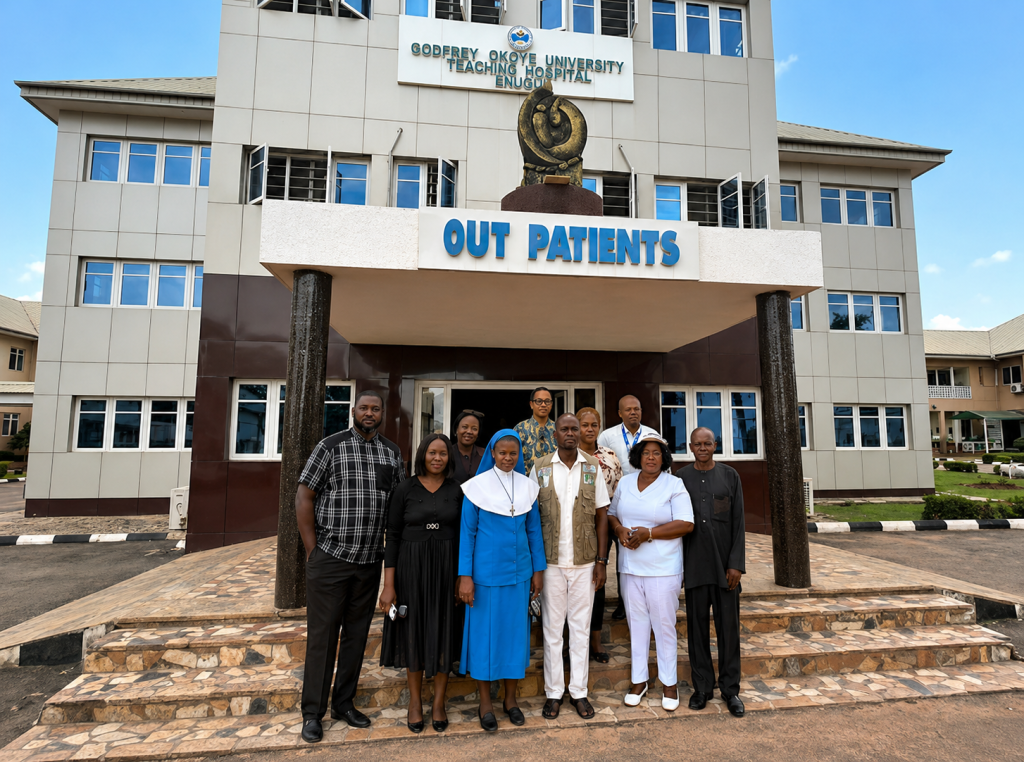
Achieving More with Available Resources
Following the assessments, DRASA, NCDC, the State Ministry of Health, and State Primary Healthcare Boards gathered 16 health worker Health Champions and state IPC focal persons for an intensive IPC Workplan and Budget Development Activity in each location. Teams from different facilities sat down to face their data with a commitment and conviction to find solutions.
The idea was to collaboratively resolve facility-based issues so we challenged the Health Champions to identify their low-hanging fruits, and come up with low-cost interventions they could execute using resources already within their reach.
During a crucial conversation regarding facility budgets, an IPC focal person from a secondary health facility in Enugu State stood up and challenged the room to adjust their perspective:
"We cannot rely on the state budget to fix every broken pipe in our health care facilities. We must look at what we can change tomorrow morning. If we can secure just enough local buy-in to keep a hand sanitizer at every bedside, we have already altered the survival odds for the next mother who enters our facility."
With a resolve to move away from vague complaints, teams grabbed their sheets of papers and began drafting their facility-specific workplans, assigning names, timelines, and clear indicators to specific actions. They learned how to build realistic budgets and mobilize local resources to keep their health care facilities safe.
Claiming Ownership for a Safer Future
The climax of the activity occurred when the health worker Health Champions took the stage during plenary sessions. They proudly presented their customized draft workplans and budget frameworks, explaining their strategies under the guidance of the DRASA and NCDC teams. In this way, the Health Champions became co-creators of the health care processes and practices they desire.
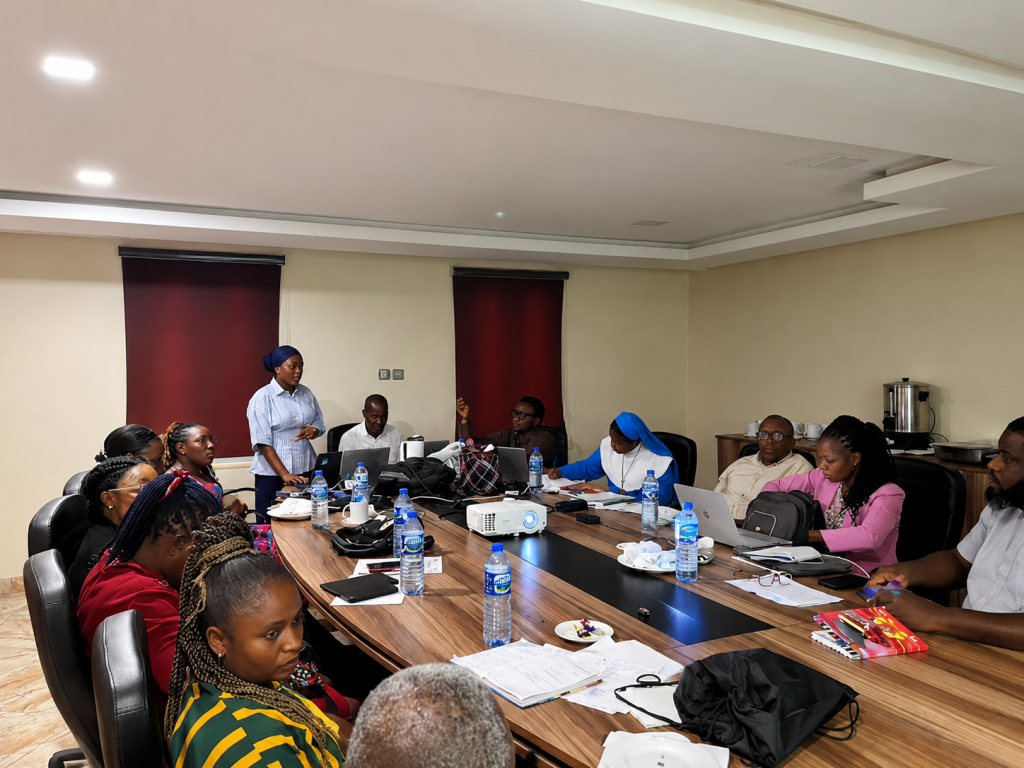
As the workshop drew to a close, a representative from the NCDC reminded the Health Champions that their most critical roles would take place back at the health care facilities:
"If your hospital management does not see infection prevention and control as a priority investment, these workplans will just gather dust on the shelves. You must go back and convince your management that funding clean water and protective gears is vastly cheaper than treating a full-blown outbreak of drug-resistant bacteria."
The TASO Initiative across the FCT, Enugu and Oyo States illustrates that infection prevention and control succeeds when Health Champions possess the tools, the authority, and the passion to change behavior, and take action from within their health facilities. As Nigeria fights to fortify its defenses against emerging infectious diseases and the surge of antimicrobial resistance, DRASA continues to ensure that no one suffers from a preventable infection - while seeking care.