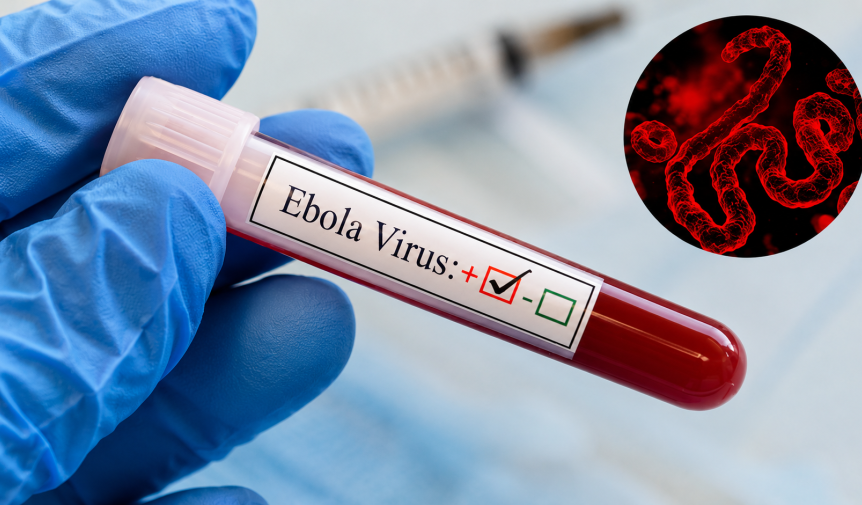
Recent reports of new cases of Ebola caused by the Bundibuyo Virus in parts of the Democratic Republic of Congo, Uganda with imported cases in Germany and France have once again brought global attention to the importance of strong health systems that include communities and early action. Health authorities, working with support from the World Health Organization and national response teams, are currently strengthening surveillance, contact tracing, and response measures to contain the situation.
At DRASA, this moment is not only about what is happening now, but what it reveals about preparedness and how ready healthcare systems are when public health threats emerge.
What Ebola is and why it spreads quickly when not contained early
Ebola is a highly infectious viral disease that spreads through direct contact with infected body fluids or contaminated materials. It also spreads through close contact with someone who is showing symptoms of the disease. Early signs often look similar to common illnesses such as Malaria and Typhoid Fever, which makes early detection even more
difficult, but important for controlling transmission.
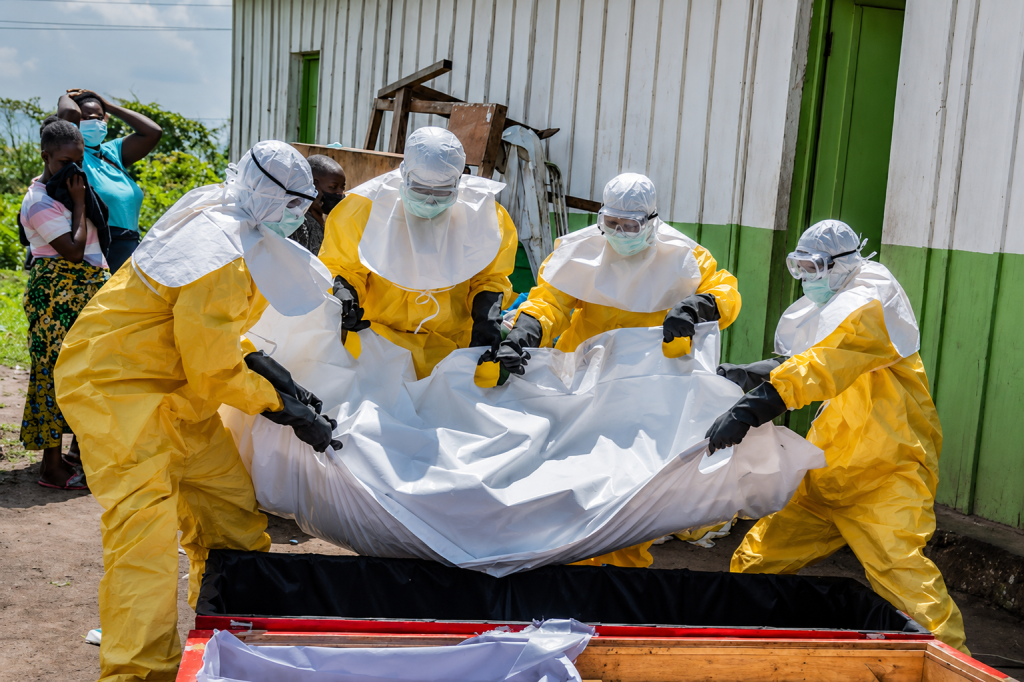
Because the virus spreads through contact and not airborne, containment is possible. However, it depends on how quickly cases are identified, how effectively contacts are traced, and how well communities understand what to look out for.
This is why, at DRASA, we are developing Health Champions by equipping frontline health workers and members of the community with the knowledge and practical skills to recognize the early signs of infectious diseases, and apply effective infection prevention and control measures. We strengthen early detection of potential outbreaks where people live and where they seek care, promoting a more coordinated public health response.
What is happening in the current outbreak
Current reports confirm cases in parts of the Democratic Republic of Congo, with related cases also reported in Uganda, while Germany and France have reported imported cases linked to the ongoing outbreak. Health teams are working across borders to follow transmission routes, isolate confirmed cases, and monitor individuals who may have been exposed. Source
In a situation like this, timing is critical. The first days and weeks of an outbreak often determine whether it remains contained or spreads further. Response teams focus on breaking chains of transmission through early identification, safe care practices, and massive community engagement.
Why preparedness matters more than reaction
Outbreaks like Ebola are not only public health emergencies. They are also tests of how prepared a healthcare system is before the emergency begins. Preparedness is what allows health systems to respond promptly, communicate clearly, and protect both health workers and communities.
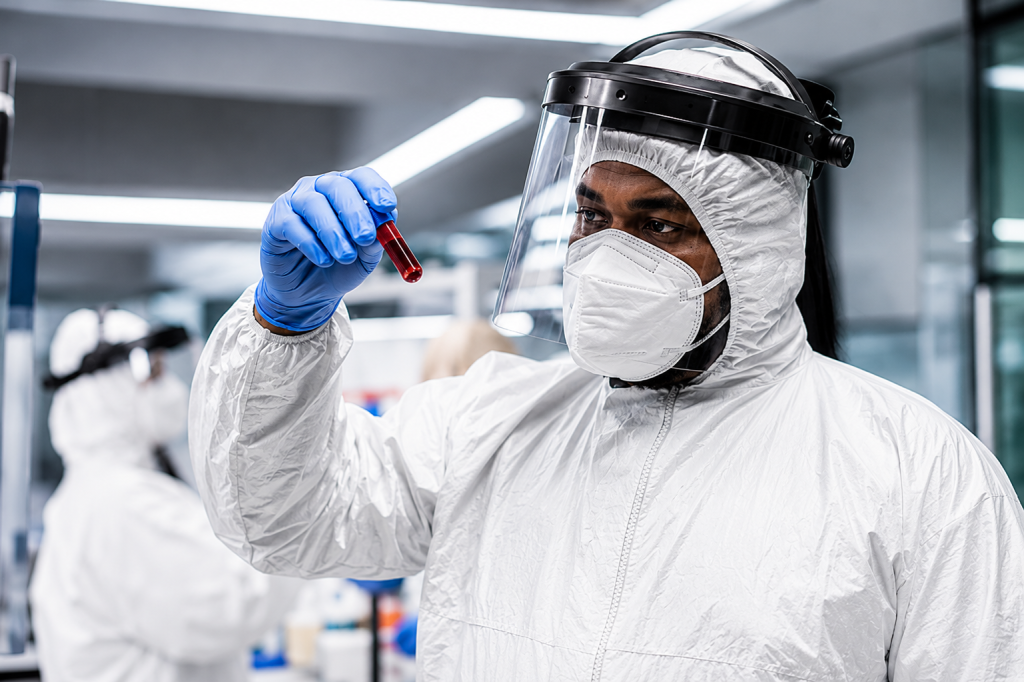
A healthcare system that is prepared is one where unusual symptoms are quickly detected, where laboratories can confirm cases within the shortest possible time, and where health workers are trained to respond safely. It is also one where communities are well informed and know when and where to seek care.
When any of these elements are weak, response becomes slower and outbreaks become harder to control.
The role of communities in outbreak response
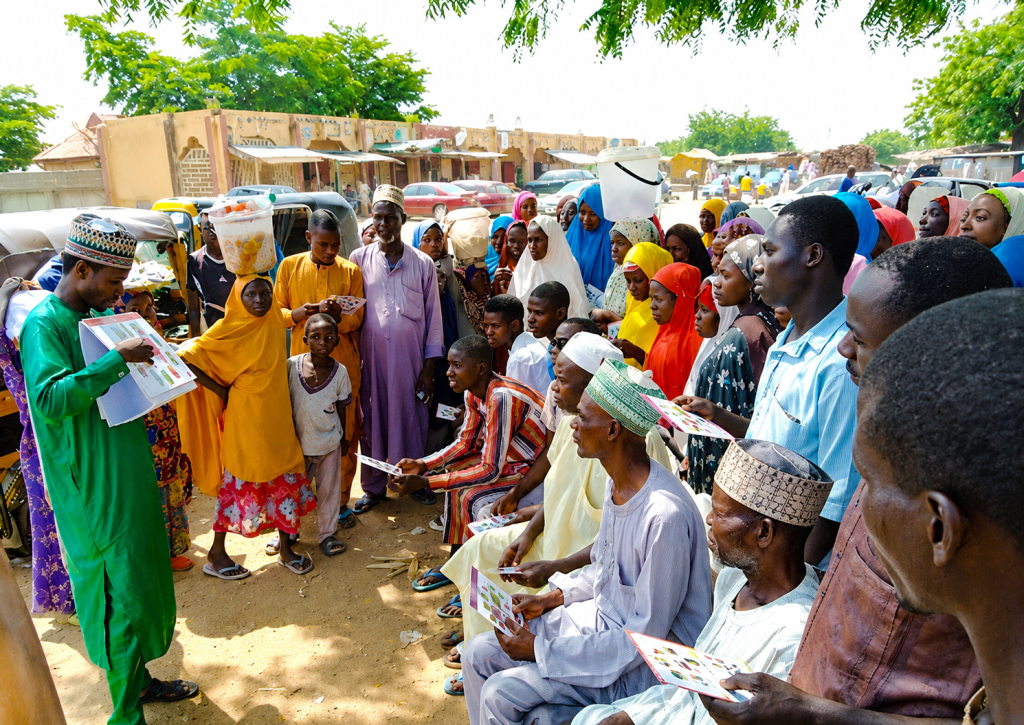
One of the clearest lessons from past Ebola outbreaks is that communities are central to how the situation evolves. Health systems alone cannot stop transmission without community participation.
When communities have Health Champions who are well equipped, they are more likely to report symptoms early, coordinate with
health workers, and adopt safer practices. When there is fear or misinformation, delays happen, and those delays can increase transmission.
This is why communication during outbreaks must go beyond information sharing. It must build trust, clarity, and understanding within communities.
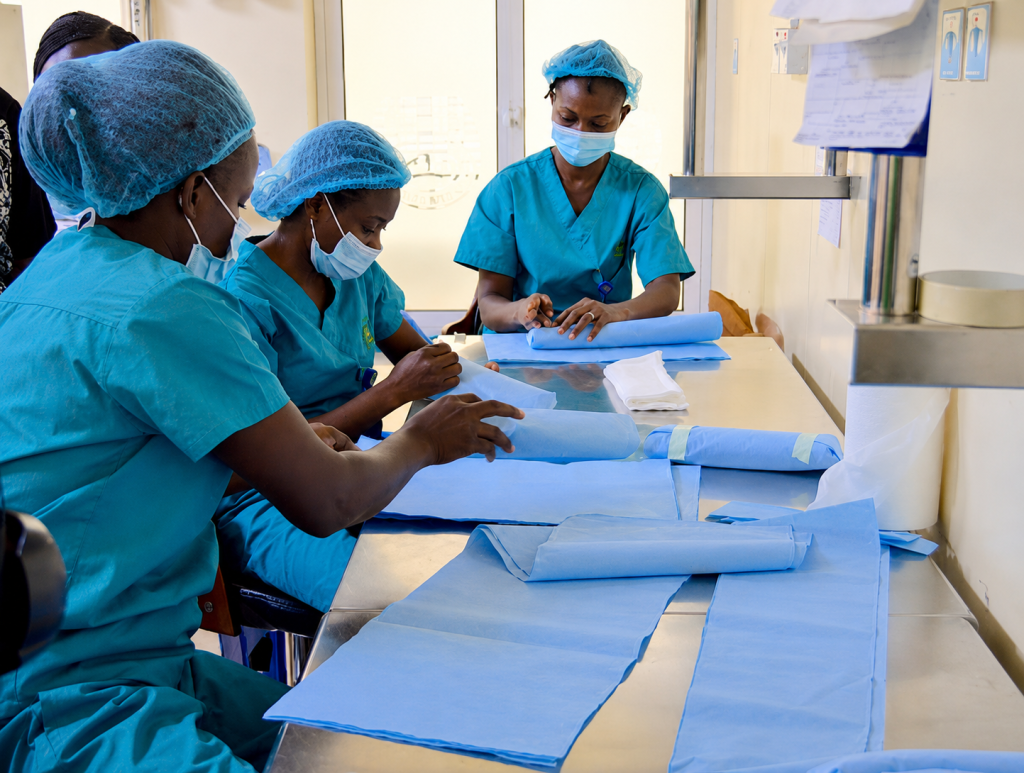
Protecting health workers on the front lines
Health workers remain at the heart of outbreak response. They are often the first to detect cases, provide care, and support affected communities. In the current outbreak, concerns around exposure in healthcare settings have once again highlighted the importance of protecting those on the front lines.
Protection goes beyond equipment. It includes proper training, clear infection prevention and control
protocols, safe working environments, and continuous support for those responding to high risk situations. When health workers are safe, response systems remain strong.
What this outbreak is teaching us again
Every Ebola outbreak carries lessons that are familiar and important. One of the most consistent lessons is that early action saves lives. Another is that strong surveillance systems make a major difference in how quickly outbreaks are controlled. It also reinforces that trust between communities and health systems is essential for an effective response.
Cross border coordination, timely communication, and sustained preparedness are not only helpful during outbreaks. They are what determine how effectively outbreaks are contained.
The current Ebola outbreak is still being actively managed by health authorities, with international support helping to strengthen response efforts across affected regions. While attention remains on containment, it is equally important to focus on what comes after the immediate response.
Health security is built over time, not during emergencies. It depends on systems that function consistently, communities that are informed, and health workers who are prepared and supported.
At DRASA, our focus remains on supporting communities and institutions so that no one suffers from preventable infectious diseases. Outbreaks continue to occur, but their impact can be significantly reduced when readiness is strong and response is timely.