Year 2016

#IDFridays Week 29: River Blindness
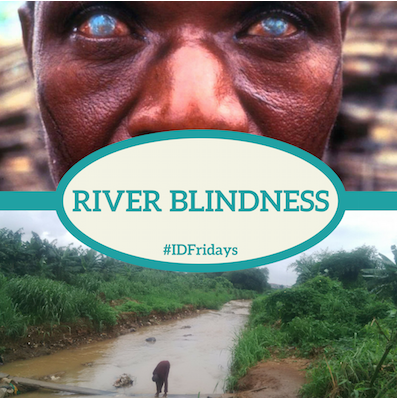
The adult worms that cause this disease can live in the human body for up to 15 years and the disease is the second leading infectious cause of blindness in the world NameRiver blindness, aka onchocerciasis (the name comes from…
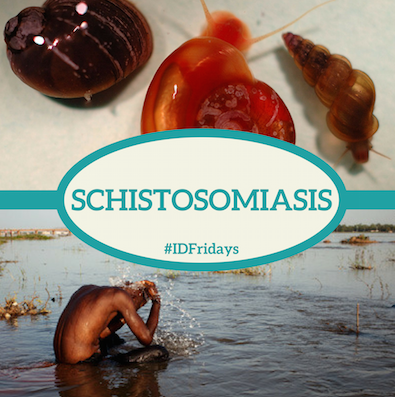

#IDFridays Week 28: Schistosomiasis

Have you ever heard of snail fever? This disease is second to malaria as the most devastating parasitic disease Photo Credits: Stanford, End.org NameSchistosomiasis, also known as bilharzia and snail fever Transmission GeographyWorldwide with increased prevalence in tropical and sub-tropical…

What is Preparedness?

You may have noticed that we talk a lot about infectious diseases and outbreak preparedness. So what does the word “preparedness” actually mean? The Oxford dictionary definition: pre·par·ed·ness/prəˈper(ə)dnəs/nouna state of readiness, especially for war Infectious disease outbreaks are not the…

#IDFridays Week 27: Cholera

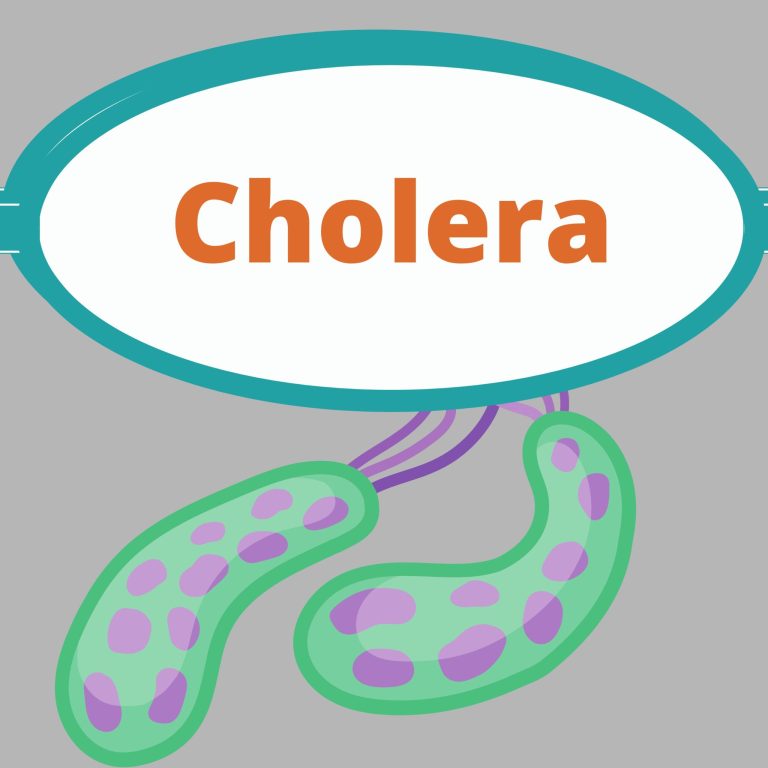
This serious intestinal infection can kill within hours if not treated NameCholera Transmission GeographyWorldwide, especially Africa, Southeast Asia, and Haiti Incubation PeriodLess than 1 day – 5 days Signs and Symptoms Approximately 80% of infected people do not have symptoms,…

#IDFridays Week 26: Leptospirosis

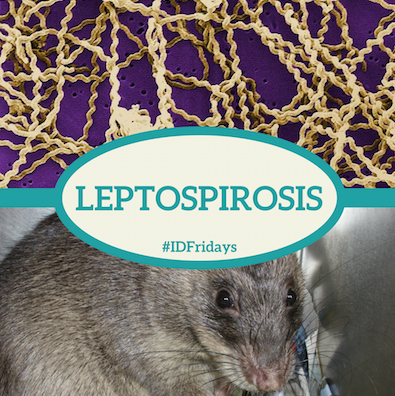
Leptospirosis is most commonly found in rodent urine and can cause a range of issues from mild flu-like symptoms to severe organ failure NameLeptospirosis Transmission GeographyWorldwide, but leptospirosis is more common in temperate or tropical climates Incubation Period2 – 26…

#IDFridays Week 25: Hand, Foot, and Mouth Disease

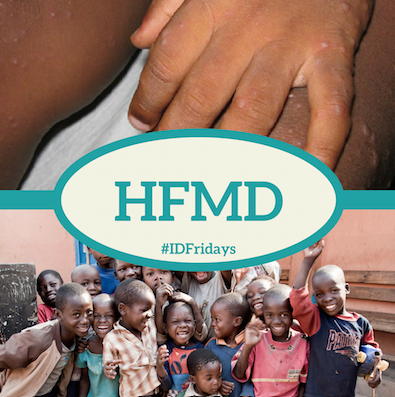
This common virus mostly affects children under age 5 NameHand, Foot, and Mouth Disease (HFMD) Transmission GeographyWorldwide, but outbreaks have become increasingly more common in Asia Incubation Period3 – 7 days Signs and Symptoms DiagnosisLaboratory testing of throat or feces…

Jojobet GirişJojobet Girişcasibommarsbahis güncel girişJojobetCasibom GirişMarsbahis GirişCasibom GirişJojobet