


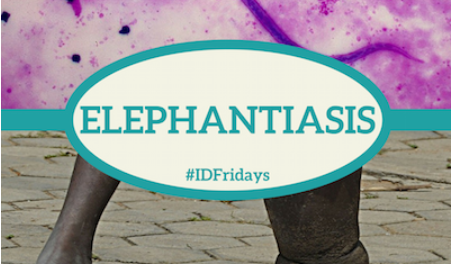
This disease can make your limbs look like the legs of an elephant
Name
Lymphatic filariasis, commonly known as elephantiasis
Transmission
-
- An infectious tropical disease caused by three types of filarial parasites (thread-like roundworms)
- These microscopic worms live in the lymphatic system for an average of 5–8 years and disrupt the immune system
- Mosquitoes transmit the filarial parasites to humans via bites
- Infection is usually acquired in childhood and can cause hidden damage to the lymphatic system
- An infectious tropical disease caused by three types of filarial parasites (thread-like roundworms)
Geography
Asia, Africa, the Western Pacific, parts of South America, and parts of the Caribbean
Incubation Period
The incubation period varies as the worms can live in the body for years
Signs and Symptoms
Most infected people show no external signs or symptoms. After a few years, the chronic symptoms that can appear involve an altered lymphatic system and the abnormal enlargement of body parts:
- Lymphoedema (fluid retention and extreme swelling that generally occurs in arms, breasts, or legs)
- Elephantiasis (skin thickening)
- Scrotal swelling in men
- Pain
Diagnosis
- Laboratory testing of blood samples
- There is a new rapid diagnostic test which detects the presence of the filarial worm in human blood samples
- The worms only circulate in the blood at night so testing must be done at night
Treatment
- There are drugs available: some kill the young worms and some target the adult worms but none of the drugs can kill all the worms
- Most treatment involves managing the symptoms:
- Improving hygiene
- Soaking affected body parts in water
- Applying ointment
- Treating wounds
- Using antibiotics to treat infections
- Surgery can be performed to correct enlarged limbs, but is often less successful and can require multiple procedures and skin grafting
Prognosis
- Lymphatic filariasis/elephantiasis is rarely fatal, but those affected tend to suffer poor health, can become permanently disabled, and often suffer from social stigma and poverty
- The World Health Organization (WHO) identified lymphatic filariasis as the second leading cause of permanent and long-term disability in the world after leprosy
Prevention: What Can You Do?
- Avoiding mosquito bites is the best form of prevention
- Use insecticides and mosquito nets
- Wear long, light-colored clothing
- The WHO launched a global strategy to eliminate lymphatic filariasis by 2020
- The strategy involves giving a single dose of medicine to all people in areas/regions where the infection exists to stop the cycle of transmission (this is called preventive chemotherapy)
- The medicines have a limited effect on adult parasites but reduce the density of young worms in the bloodstream and prevent the parasites from spreading to mosquitoes
Filariasis In the News
Sources:
http://www.cdc.gov/parasites/lymphaticfilariasis/gen_info/faqs.html
http://www.who.int/lymphatic_filariasis/epidemiology/en/