


“One day, while dropping my child off at school, I observed two school children lapping [one carrying the other on the lap] each other in the bus, and I observed that one of them was coughing continuously so much that he started coughing blood. Instead of turning a blind eye, I made sure to follow up and got the boy tested for Tuberculosis. The results came out positive, and then I went further to facilitate testing of the other sibling, which came out positive too. I ensured they took the necessary treatments and also made regular house visits to them to check how they were doing, ” — Mr Qasim, Health Champion, Ajeromi-Ifelodun Local Government Area.
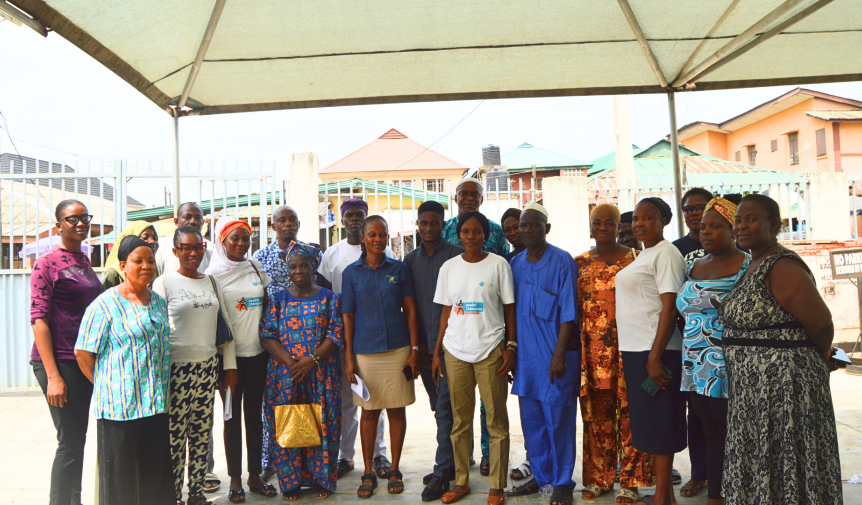
Our Strengthening Community Knowledge and Response on Infectious Diseases SCKaR-IDP project, which began in March 2024, trained and equipped 2,089 community members in two peri-urban areas in Lagos State to become local Health Champions. They represented key groups in their respective communities, such as traditional birth attendants, traders, market women, butchers, tailors, fishermen, youth leaders, road transport workers, mechanics, and religious leaders.
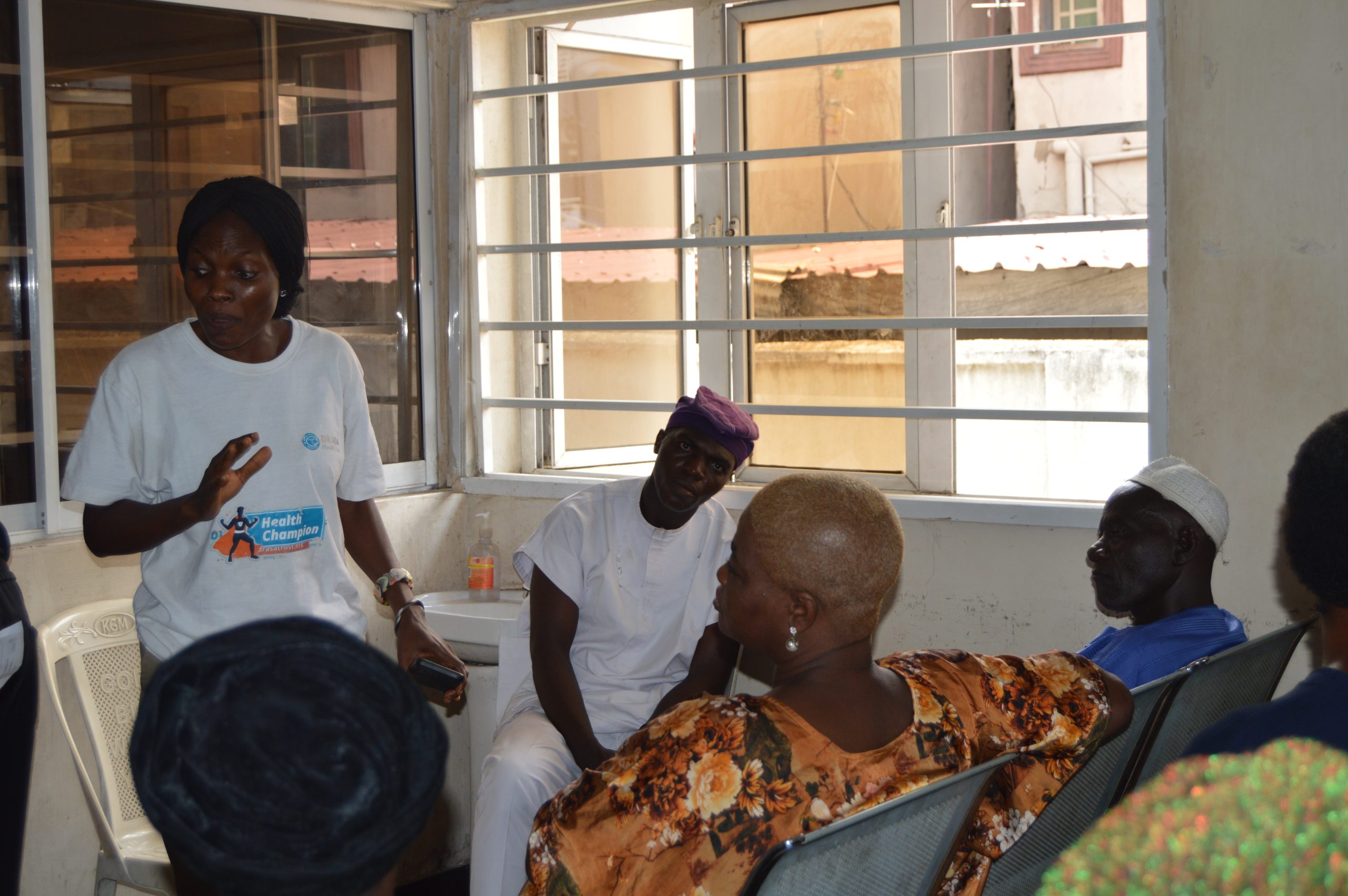
We carefully selected those who had some level of influence within the community to support the Disease Notification Officer (DSNO) of each community - the local health authority for detecting and reporting possible infectious diseases. We held orientation sessions, focus group discussions, and quarterly review meetings with our Health Champions over the course of 12 months to not only strengthen their knowledge about infectious diseases but also to monitor their progress in contributing to lasting change within their communities.
Driven by immense passion and a sense of shared responsibility to advocate for change within their communities, these Health Champions soon formed a slogan among themselves — “See something. Say something”. Signifying that whenever they see a suspected case of infectious diseases, or see someone displaying unhealthy habits that could cause potential harm to their communities, they should not keep it to themselves but take the first action to either report or rebuke such behavior. DRASA quickly followed up by curating a pledge that is recited at the end of every meeting. It reads, “As a Health Champion, I promise to be my brother's keeper by reporting any suspected infectious disease case to my DSNO. If I see something, I will say something.”
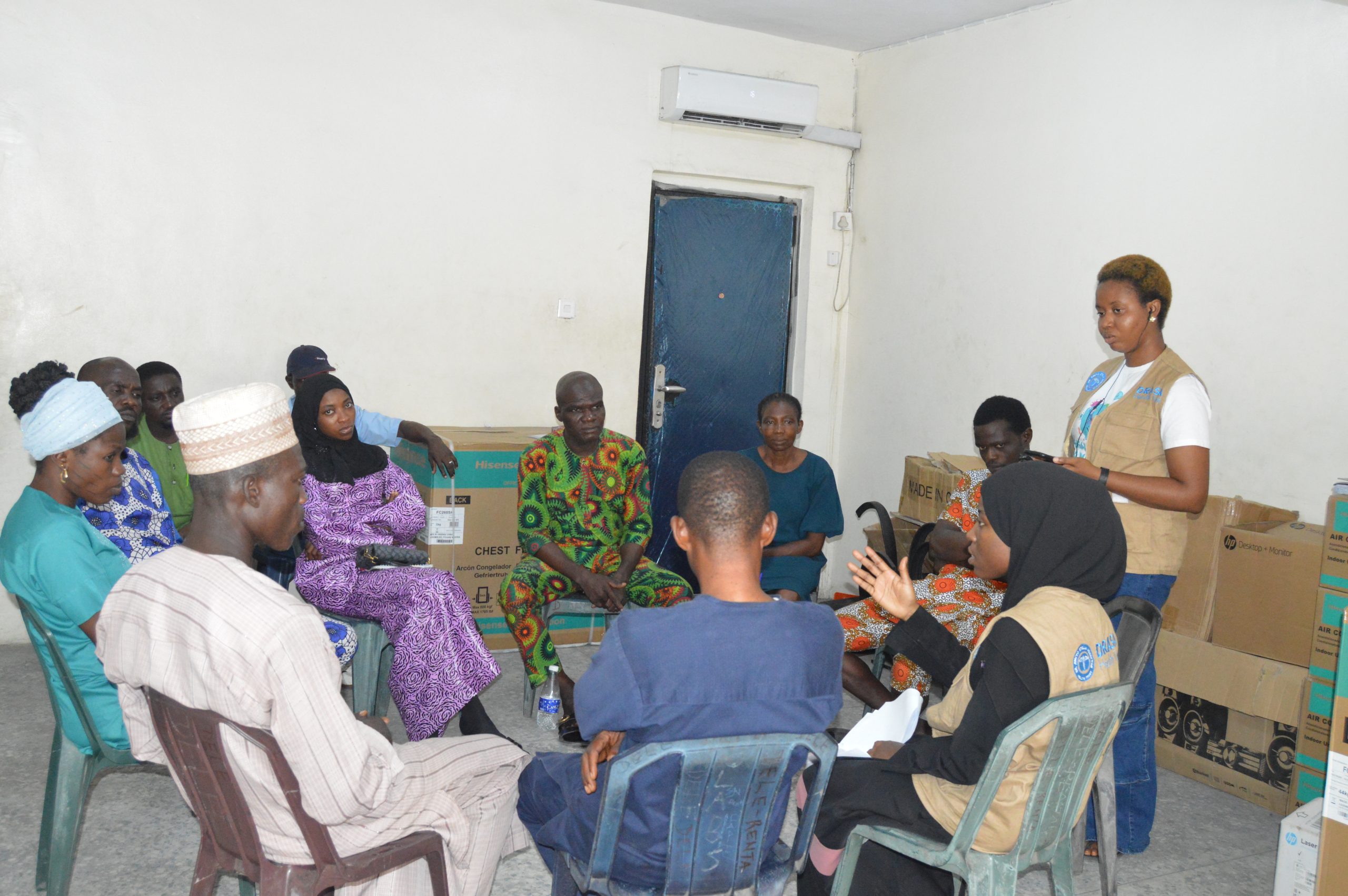
Orientation session
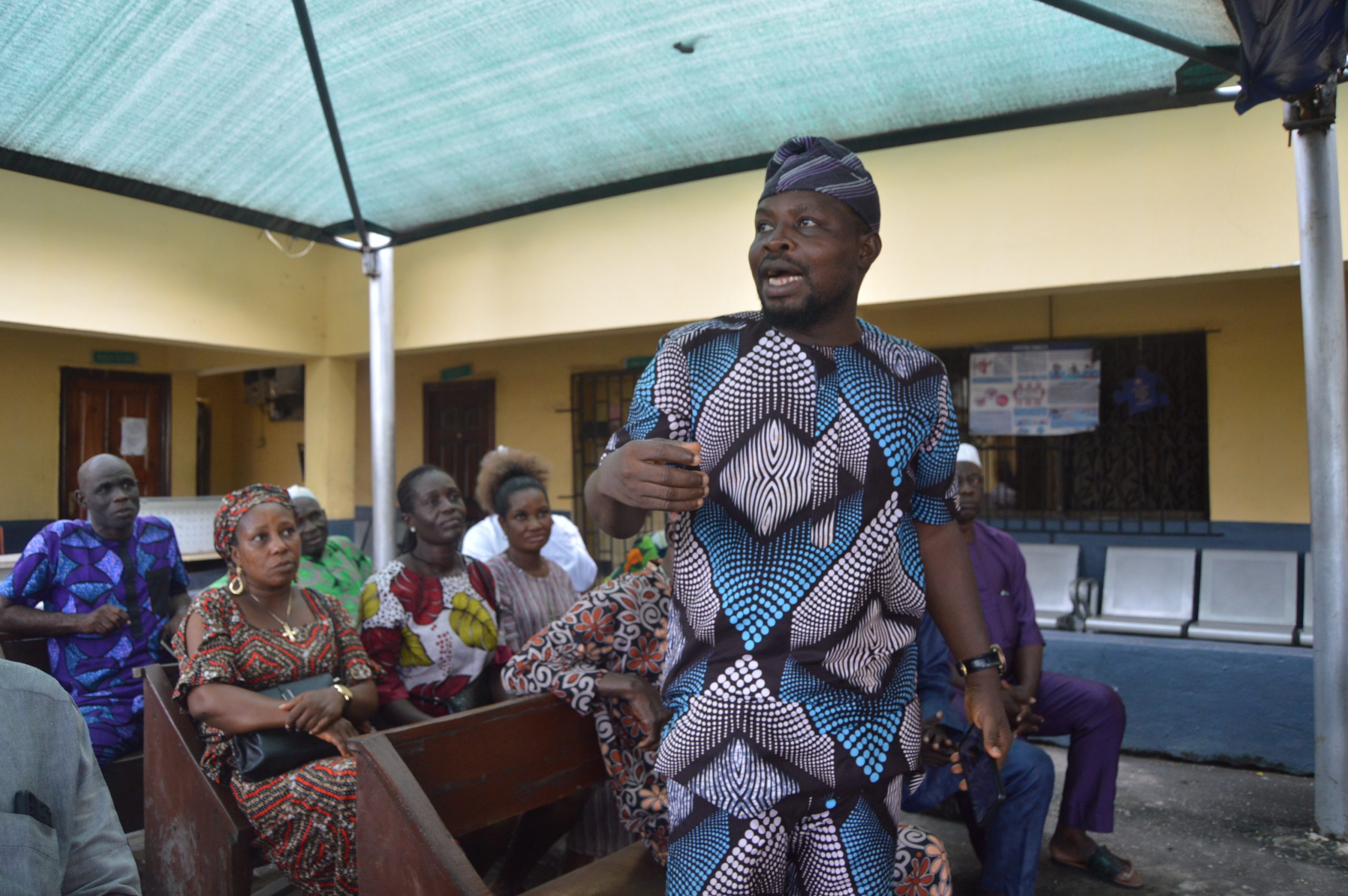
Building on the success of training 2,089 community members, we held a review session with a subset of 41 community members who volunteered as focal Health Champions, providing more in-depth support to the DSNOs within their communities.
This smaller group allowed for continuous feedback from the community to the local health authorities, identification of health challenges, as well as a platform to co-design solutions. For example, during one of these sessions, one Health Champion mentioned, “I feel there is a need for increased community sensitization. Also, private hospitals should be included in government programs to improve access to healthcare and encourage people to seek proper medical treatment at hospitals rather than relying on chemists in our community.”
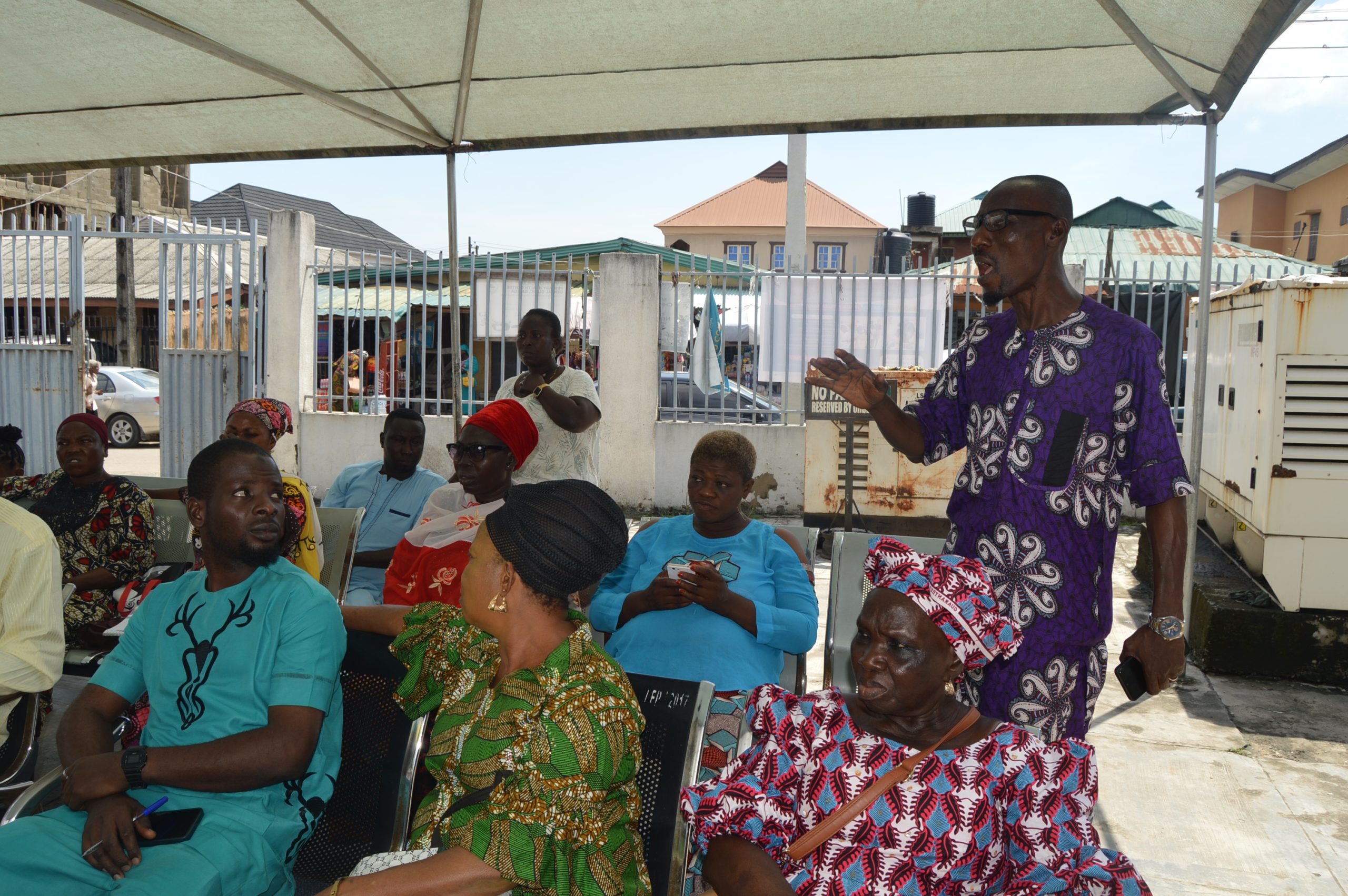
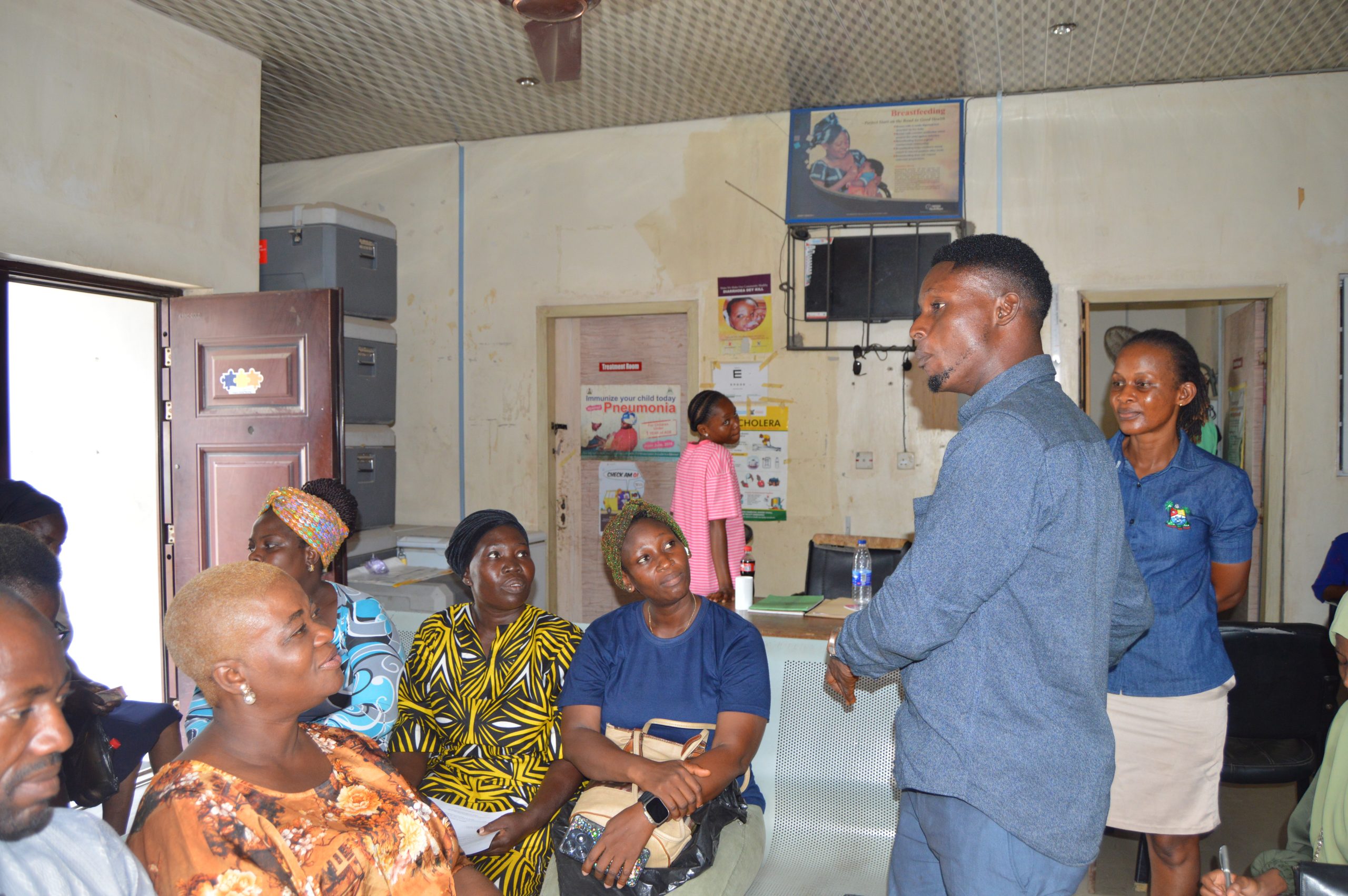
Focus Group Discussions (FGDs)
We gathered some Health Champions to assess the progress and impact of our work, weigh the impact of the knowledge imparted, and assess how they have been able to pass down knowledge to keep their communities safe.
We asked structured questions to gain their insights and perceptions, and beliefs about infectious diseases, and also gave them room to share their experiences and challenges while driving change within their communities.
One of the Health Champions shared that because of DRASA’s engagement, she understands that cholera spreads through contaminated water used for cooking or drinking. So to ensure safety for herself and her family, she cooks her food more thoroughly and boils her water before drinking.
A barber from Somolu LGA also shared how the knowledge he gained has improved his work habits. In his words, “I am now more intentional about sterilizing my work tools since I learned that they are a mode of transmitting infectious diseases.”
It was encouraging to see the Health Champions demonstrate not only good knowledge of infectious diseases but also embody positive behavior change.
Review Meeting
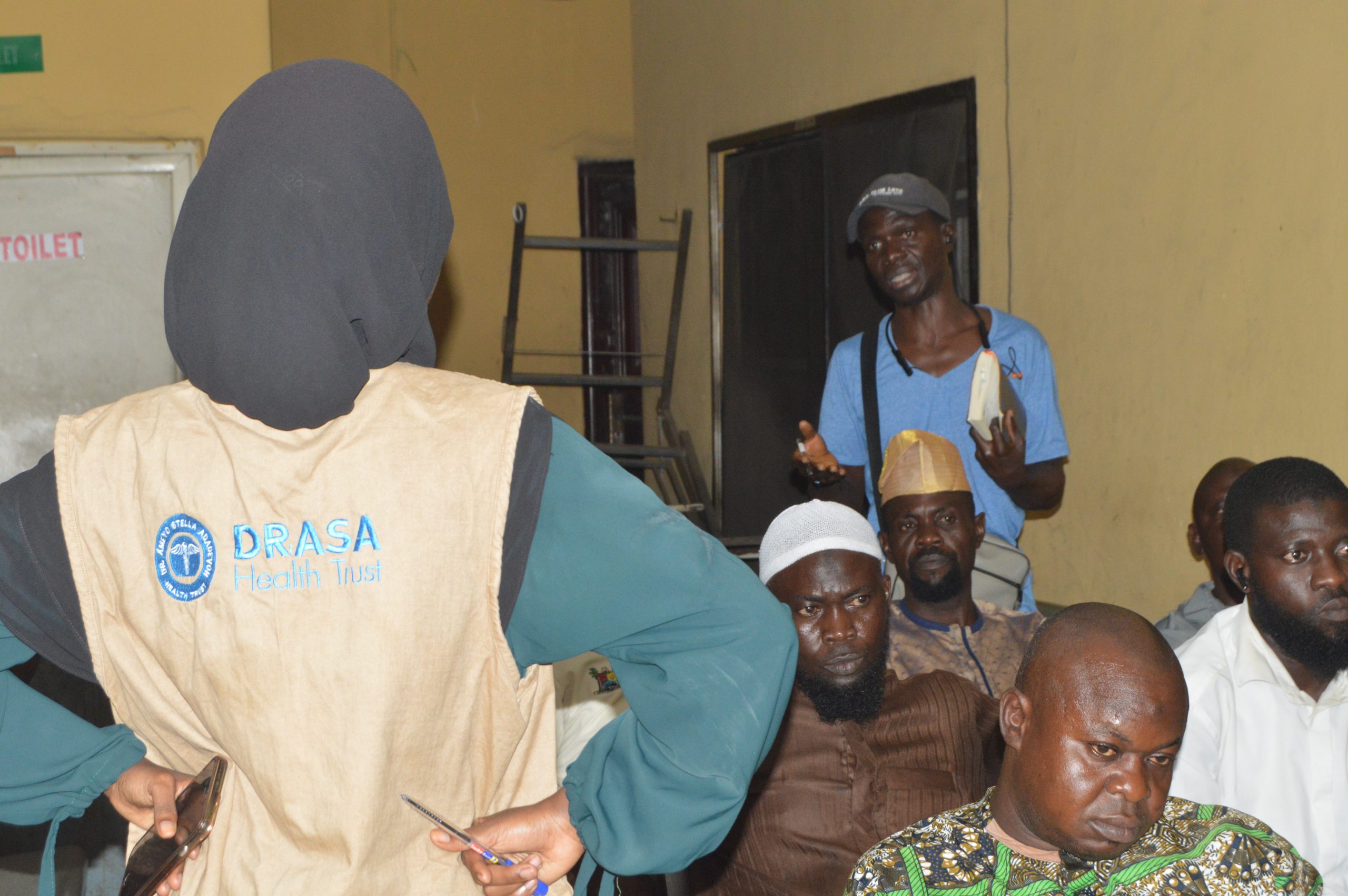
To monitor the progress made in identifying and reporting suspected cases of infectious disease, we attended periodic review meetings with the Health Champions and their respective Disease Surveillance and Notification Officers (DSNOs) and Assistant Disease Surveillance and Notification Officers (ADSNOS).
The review meetings served as a safe space for participants to share their experiences so far in promoting healthy behaviors in their communities. They shared their challenges, successes, and their risk perceptions of situations that expose their communities to infectious diseases.
The experience with the training also strengthened the relationship between the Health Champions and other community members. One story shared by a woman in Ajeromi-Ifelodun LGA still echoes. She shared, “I had a patient who had TB. The man is a defaulter. There was one day, I was just passing, and I just heard the way he coughed. I went to meet him and asked him why he was coughing like that, and he said the cough was disturbing him. I directed him to the hospital where they treat cough. He said he went there and took the drugs for two weeks, but then he stopped. He said the drug makes him weak, and he will not be able to work. I had to follow him to the hospital, paid for his transport, and then I told the person in charge of TB cases that I would be the one who would give him drugs every day. Sometimes, I will even cook food, and I was giving him his drugs every day for three months until he got better.” This shows that their role as Health Champions not only improves community surveillance but also strengthens the bond between community members, as they learn to care for each other during difficult times.
If you missed the highlights of our work, please watch here